
Software ads
HeyGen’s Facebook and Instagram ads
- Running now
- 34
- Winners
- 54
- New in 30 days
- 0
- Average run
- 59 days
- Longest run
- 155 days
Ads running now
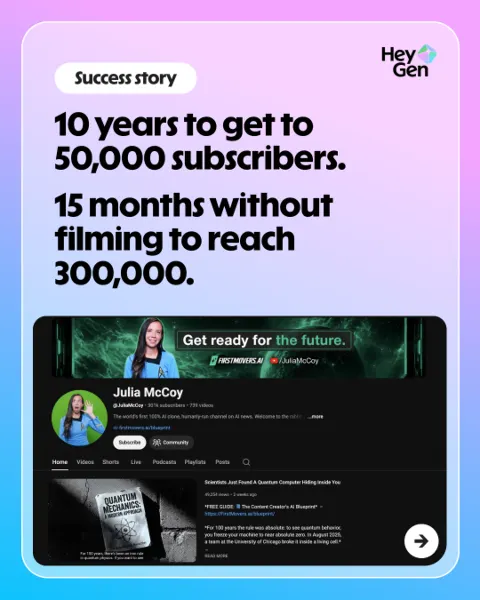 HeyGen100 days
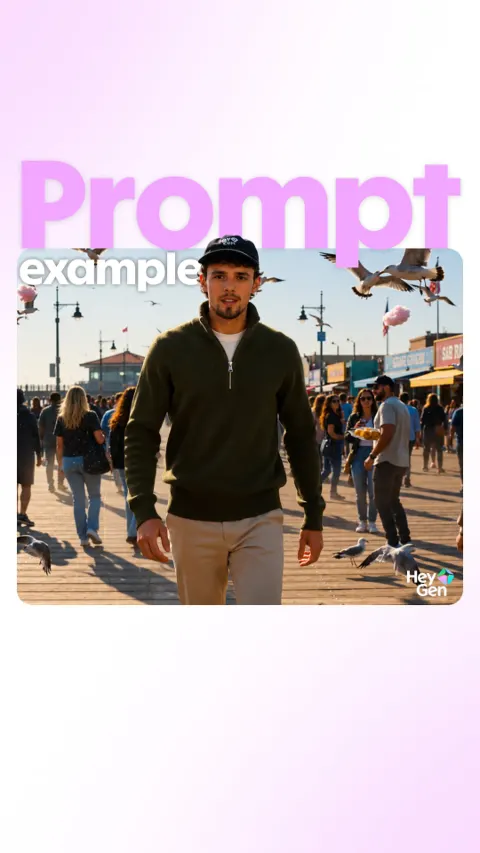 Video101 days
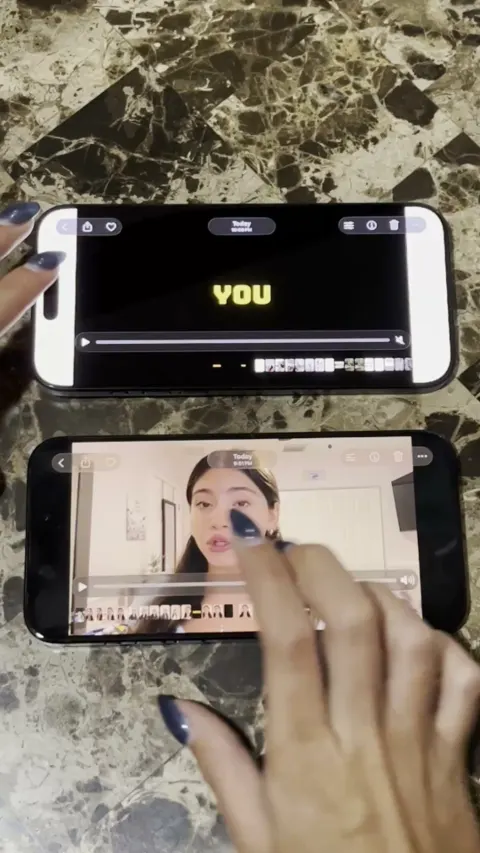 VideoHeyGen: AI Video Generator92 days
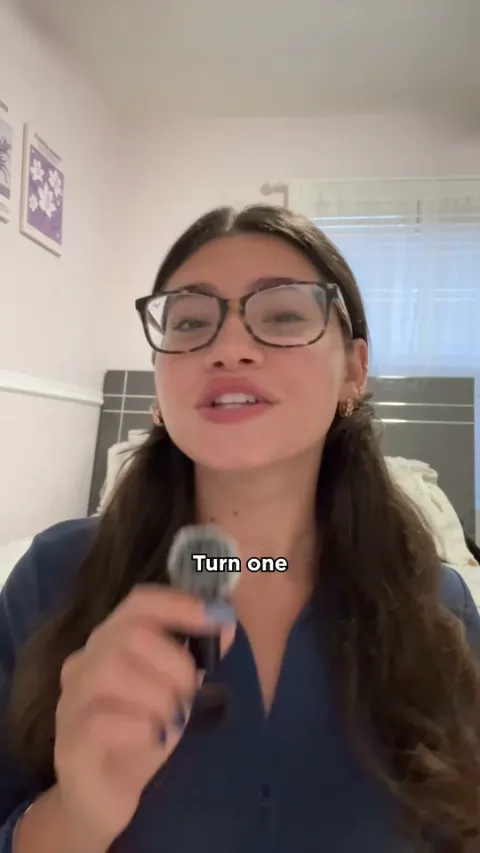 VideoHeyGen: AI Video Generator92 days
 VideoHeyGen: AI Video Generator134 days
 Video92 days
 VideoHeyGen: AI Video Generator100 days
 HeyGen: AI Video Generator149 days
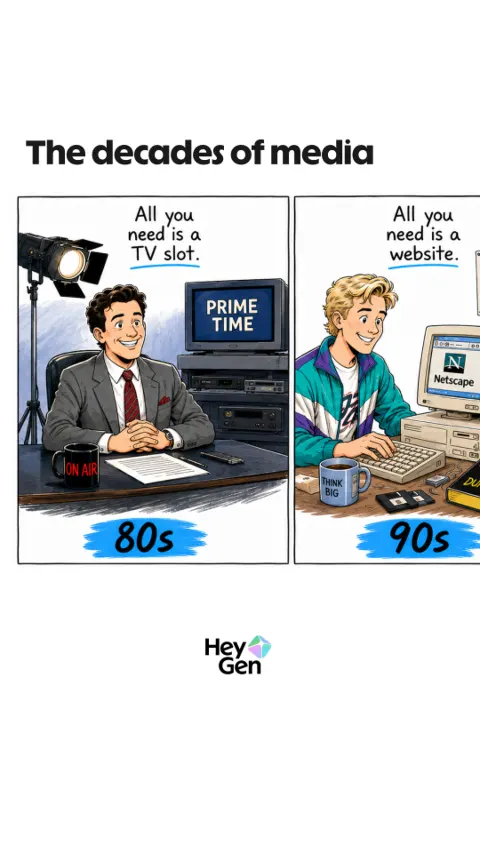 HeyGen: AI Video Generator141 days
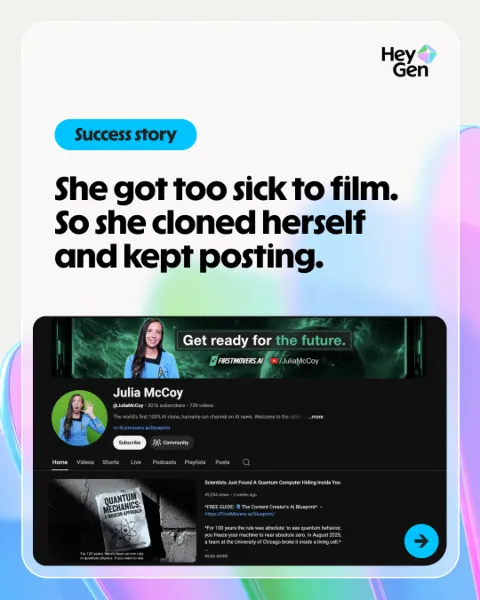 HeyGen100 days
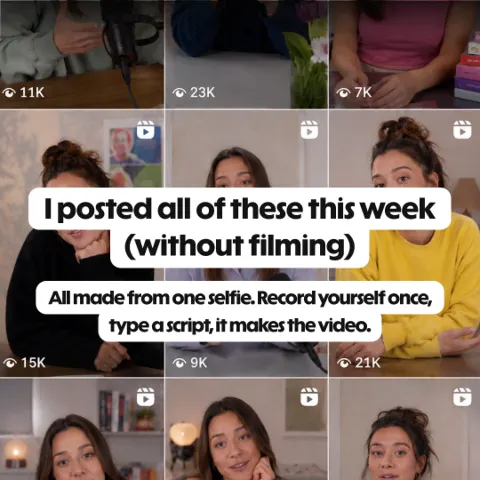 HeyGen: AI Video Generator107 days
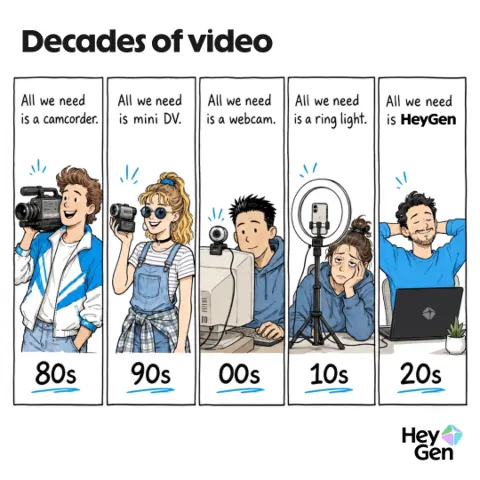 HeyGen: AI Video Generator141 days
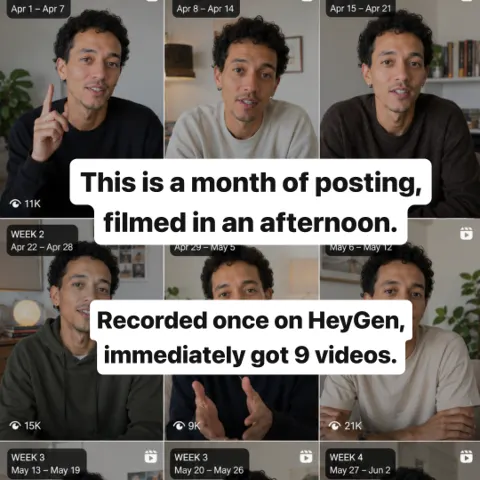 HeyGen: AI Video Generator60 days
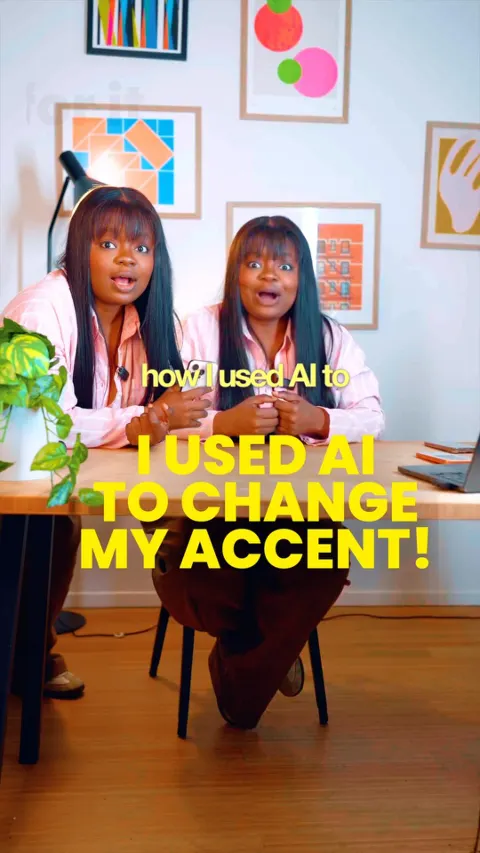 Video78 days
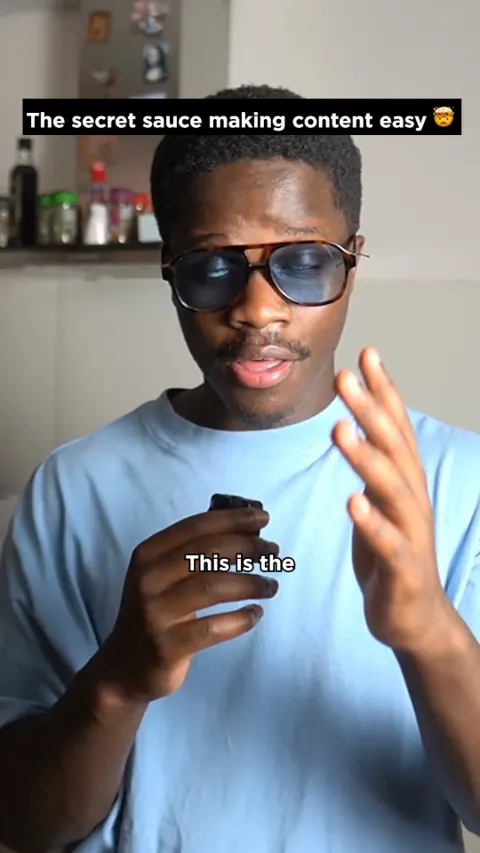 VideoHeyGen: AI Video Generator47 days
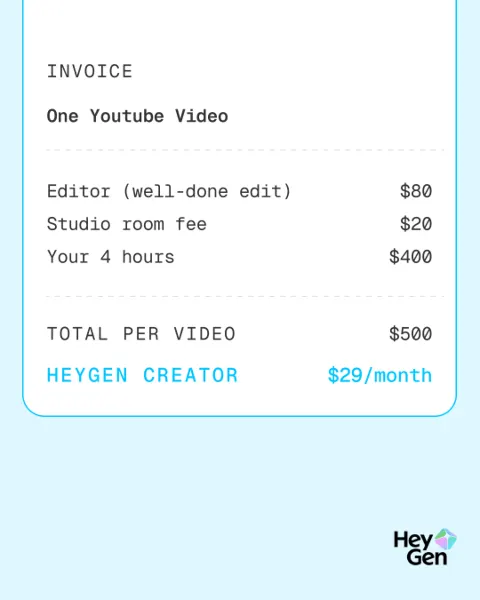 HeyGen: AI Video Generator46 days
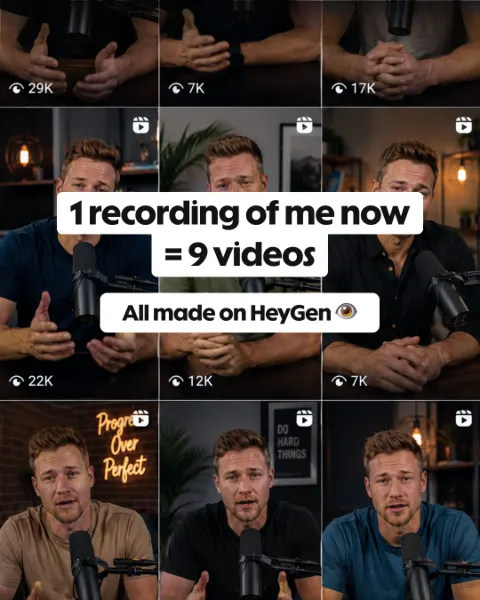 HeyGen: AI Video Generator42 days
 HeyGen: AI Video Generator45 days
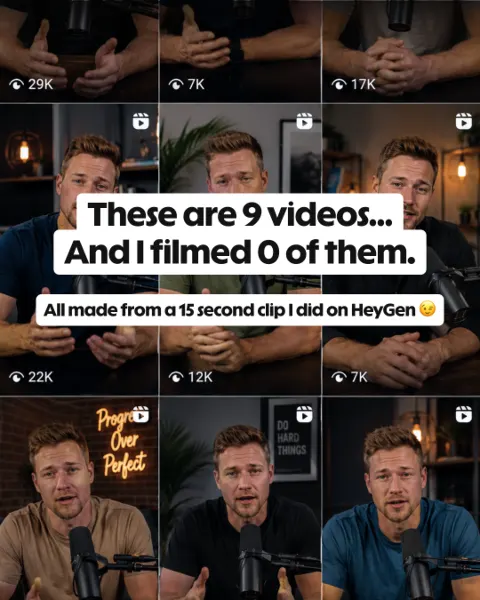 HeyGen: AI Video Generator43 days
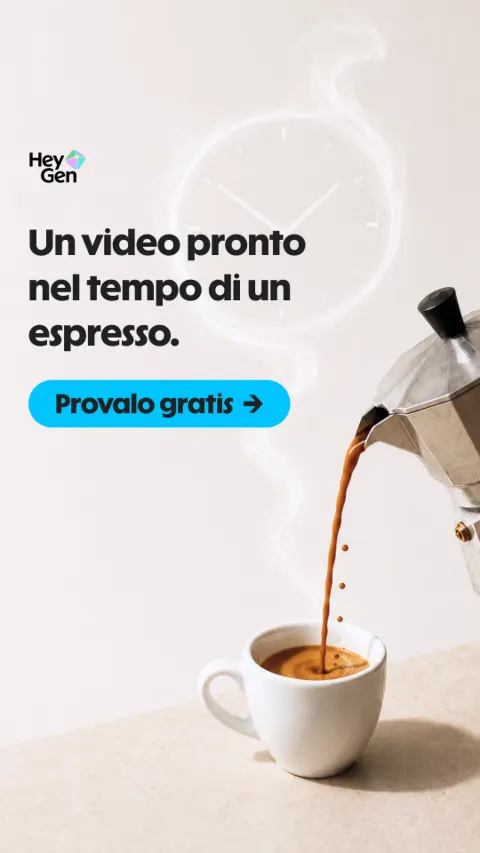 Generatore IA HeyGen134 days
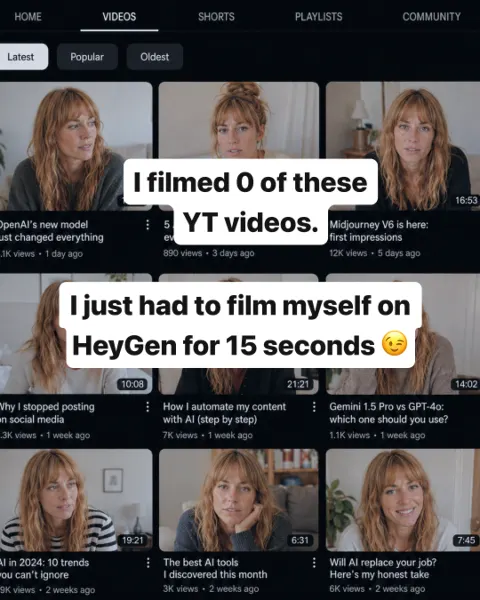 HeyGen: AI Video Generator39 days
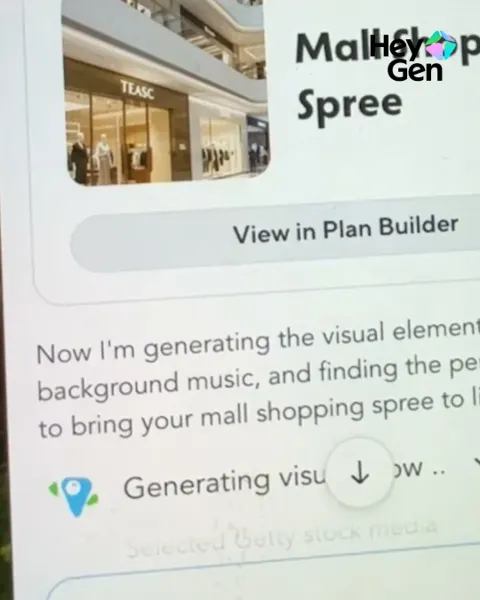 VideoGeneratore IA HeyGen92 days
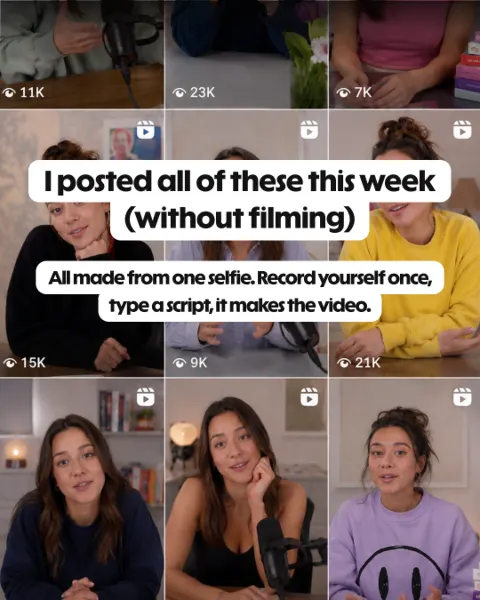 HeyGen: AI Video Generator39 days
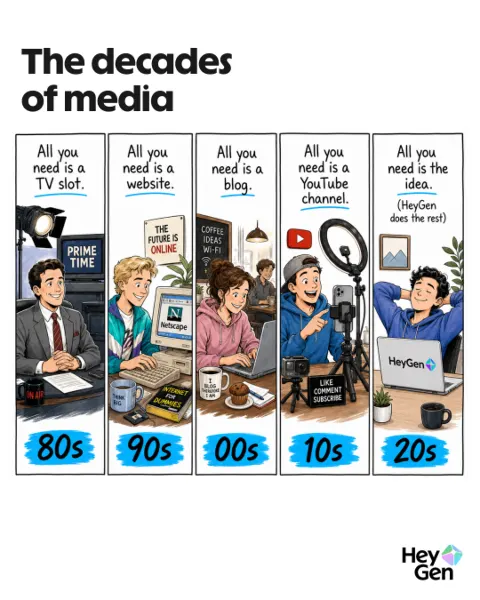 HeyGen: AI Video Generator46 days
What it runs
- Formats running now
- Videos 17 · Images 14 · Carousels 3
- Styles
- UGC, Demo, Product shot, Carousel, Offer, Text only
- Where its ads ran
- Facebook and Instagram
How its best ads open
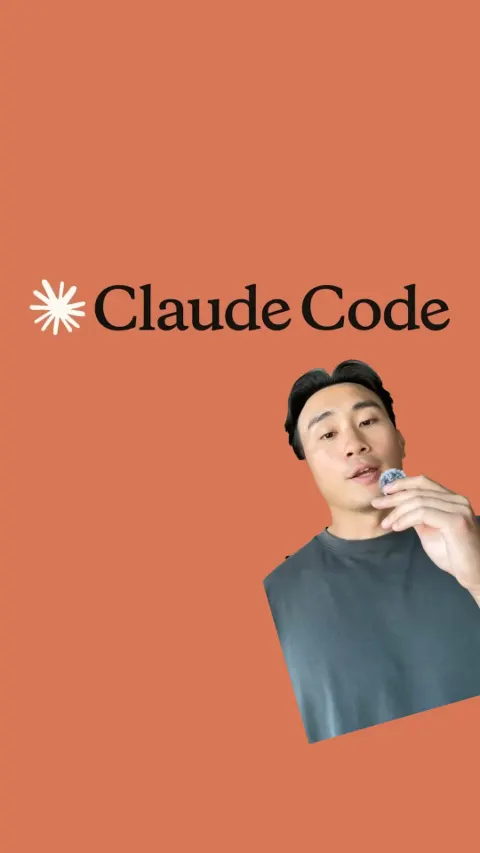
- “Turn your expertise into video. No camera or studio required.”
- “Comment 'HEY' for the guide and exact prompt we used to create this video.”
- “Consistency is the name of the game.”
- “The future of global content creation starts here. Try HeyGen today.”
- “If you’re a business owner or content creator, there’s officially no excuse not to show up anymore.”
Why its best ads work
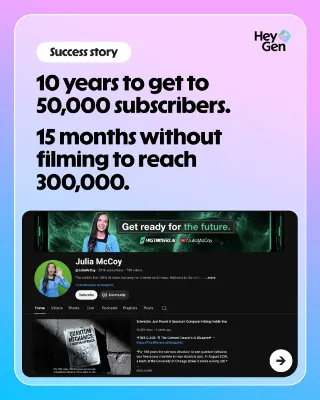
It removes the barrier of needing a camera or studio, so experts feel they can finally make video from what they already know.
The copy is two short sentences that pair a clear outcome with the removal of the biggest obstacle, so the value is understood in seconds. The data also shows it has run for 100 days and is still active across 21 active ads on Facebook and Instagram, which suggests the message is being kept and scaled rather than tested briefly. The carousel format fits a product that can show several use cases or examples, though that is inferred from the format and not from the text.
- Open with something the viewer already has, like expertise, and tie it to the result you offer.
- Name the biggest obstacle your audience has and say plainly that they don't need it.
- Keep the copy to a couple of short lines and let one clear button carry the next step.
- Run several variants of a message that works, as the 21 active ads here suggest, instead of retiring it after one test.
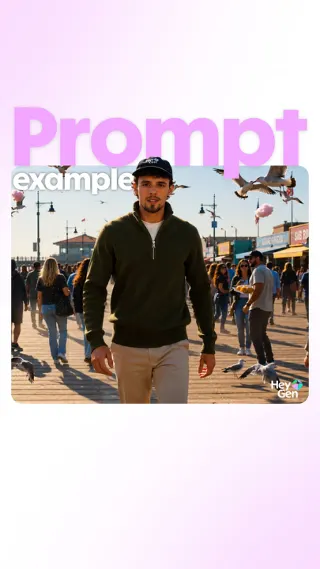
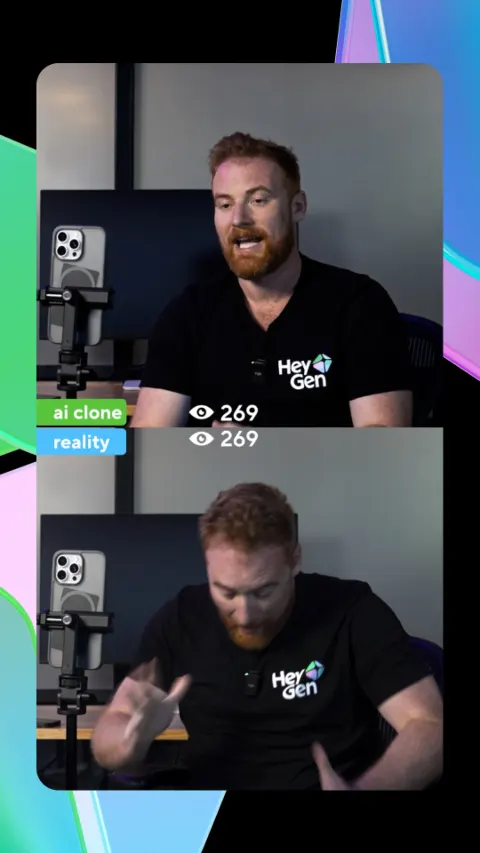
Shows that one text prompt can produce a finished video, replacing green screens, compositing and filming.
It lets the product's output do the selling, and the three short 'No' lines make the effort saved easy to grasp in seconds. The comment-for-the-prompt offer adds a low-friction action that rewards curiosity and can boost engagement, while the Sign up button catches people ready to try it. It has run for 101 days and is still active across 16 ads, which suggests the advertiser keeps finding it worthwhile.
- Open with a curiosity-driven offer, like the exact prompt or recipe behind the result, so people want to see how it was made.
- List the old hassles in short 'No' lines to make the benefit clear without explaining features.
- Let the ad itself be the demo, so the product proves its claim through the creative.
- Pair a low-friction engagement CTA such as a comment keyword with a direct sign-up button to catch both warm and ready audiences.
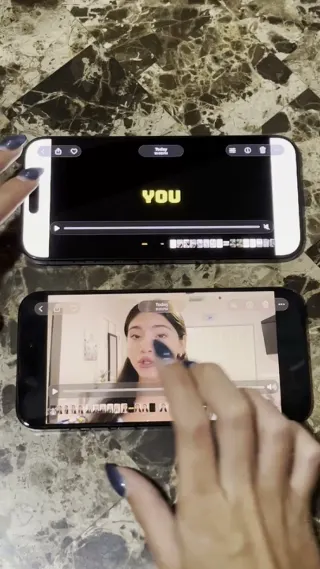
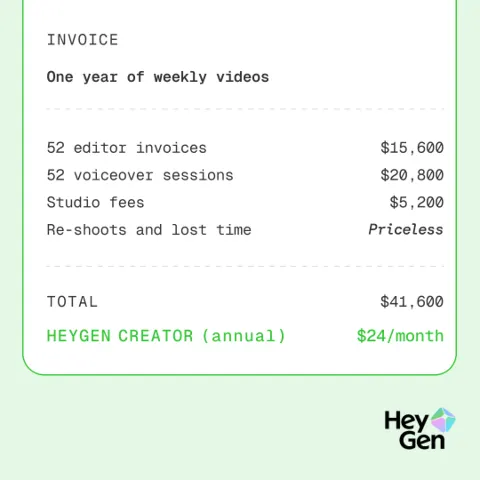
It promises that anyone can turn what they know into polished video without a camera or studio, which removes the usual barrier to making video.
The copy is short and does two jobs: it states the benefit and answers the biggest objection in the same breath. The free offer gives a low-risk way to test the claim. The data also shows it has run for 92 days, is still active, and is spread across 20 active ads, which suggests the advertiser keeps putting budget behind this message and is testing variations around it.
- Open with what the viewer already has or wants to do, then promise the result, instead of leading with the product name.
- Follow the benefit straight away with the biggest objection answered in a few words, like 'no camera or studio required'.
- Make the offer concrete and small, such as a set number of free tries, so the first step feels safe.
- Keep one clear call to action that matches the offer, so the button and the copy say the same thing.
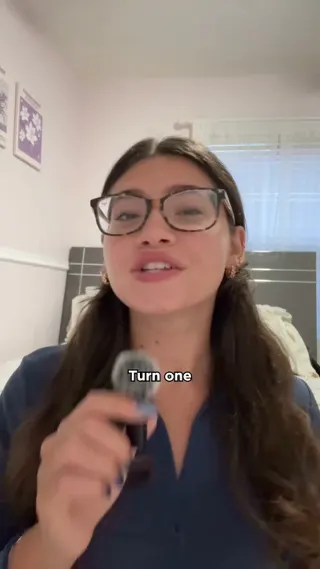
It promises that experts can turn what they know into video without any camera or studio, which removes the usual production barrier.
The copy is short and pairs one clear benefit with the biggest objection, so the value is understood in seconds. The free offer of 3 videos lets people try it before they commit. The data also shows it has run for 92 days, is still active, and is spread across 18 active ads, which suggests the brand keeps investing in this message and testing variations of it.
- Open on what the viewer already has or wants (their expertise) rather than on your product features.
- Name the biggest barrier to buying and remove it in a short phrase, like 'No camera or studio required'.
- Make the free offer specific, such as a set number of free outputs, so the risk feels small and concrete.
- Keep the CTA singular and match the button to the offer so the next step is obvious.
More software brands


Make ads like these for your brand
Paste your website. Adwright studies the ads winning in your niche, then makes ads in your brand, ready to post.