
Software ads
Foreplay’s Facebook and Instagram ads
- Running now
- 40
- Winners
- 56
- New in 30 days
- 6
- Average run
- 137 days
- Longest run
- 426 days
Ads running now
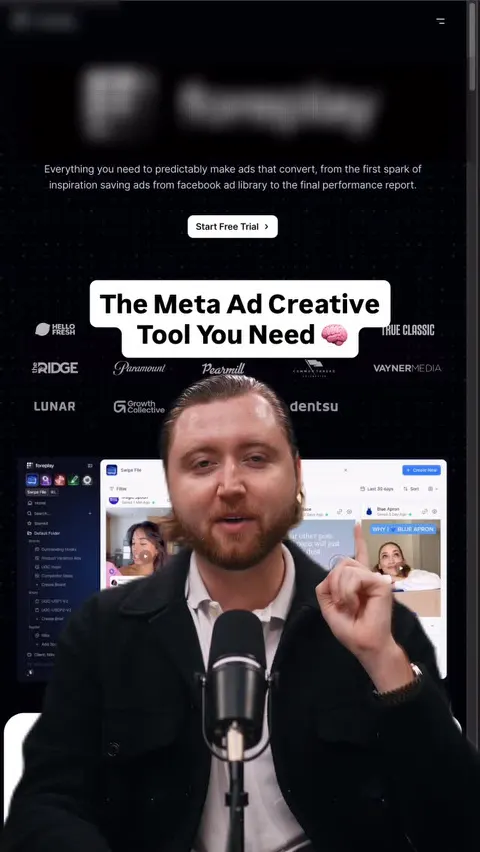 Video245 days
 VideoHow I started Foreplay426 days
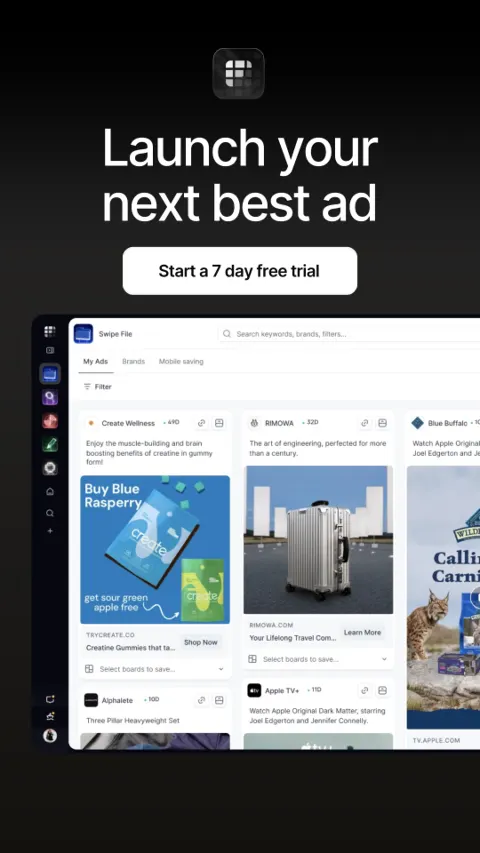 Launch your next best ad353 days
 VideoGive your AI your entire ad stack69 days
 VideoMake ads that actually convert65 days
 VideoMake ads that actually convert65 days
 VideoMake ads that actually convert65 days
 VideoMake ads that actually convert65 days
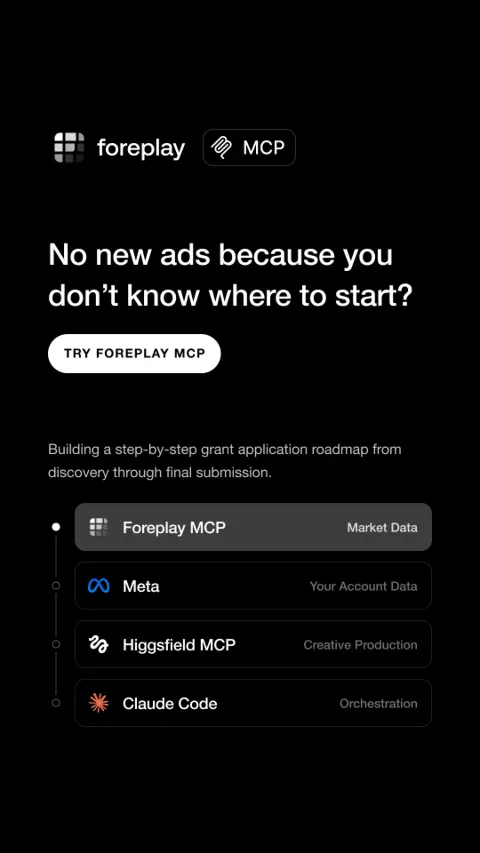 Give your AI your entire ad stack56 days
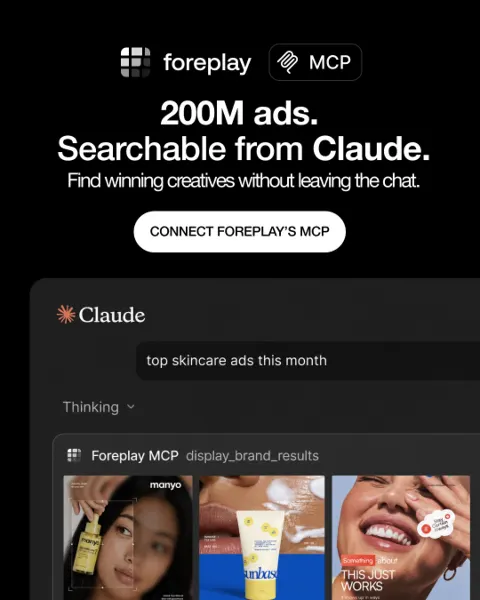 Make ads that actually convert55 days
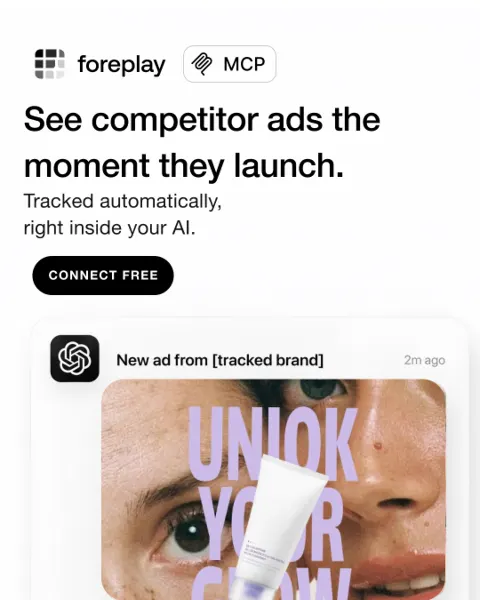 Make ads that actually convert55 days
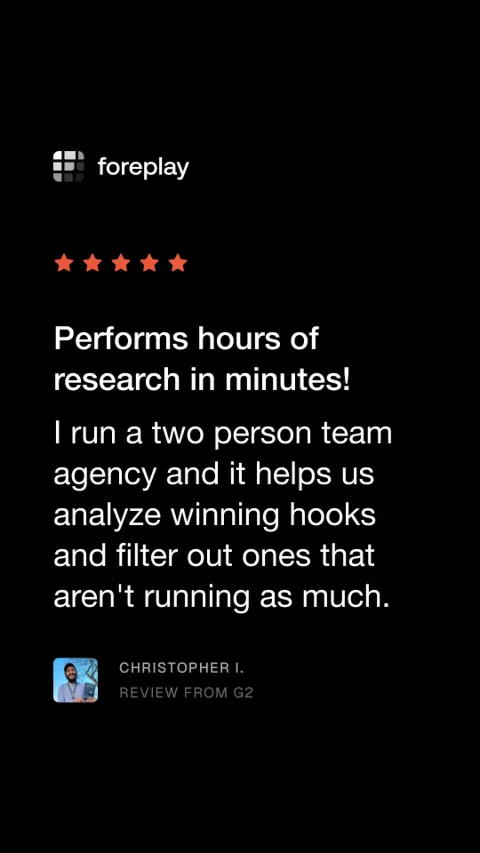 Give your AI your entire ad stack55 days
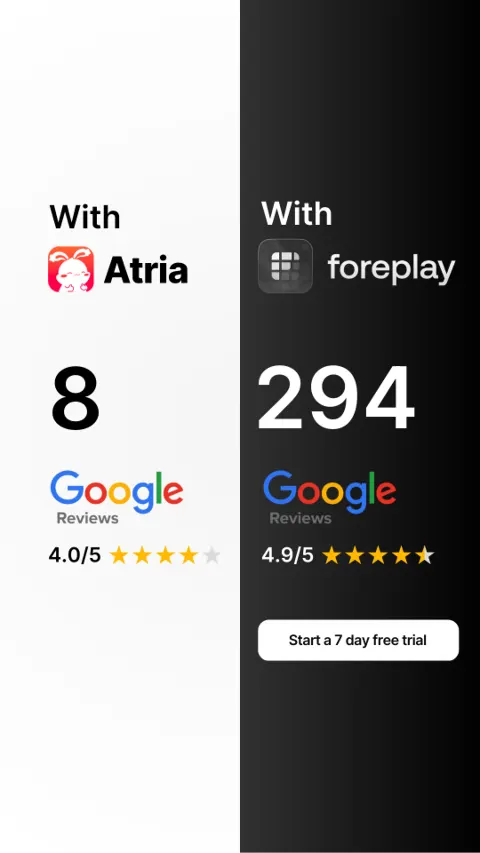 Introducing Foreplay406 days
 Have you heard of Foreplay?406 days
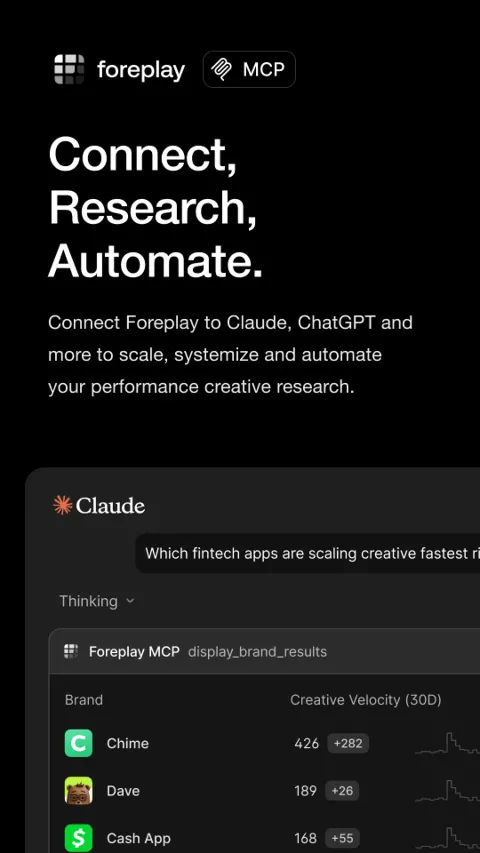 Give your AI your entire ad stack55 days
 VideoGive your AI your entire ad stack69 days
 VideoMake ads that actually convert69 days
 VideoMake ads that actually convert65 days
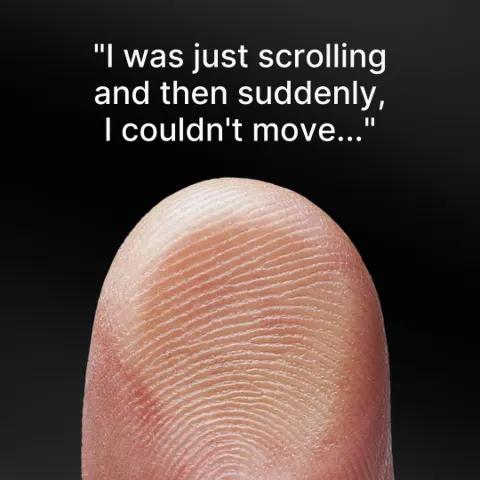 Make ads that actually convert35 days
 Make ads that actually convert52 days
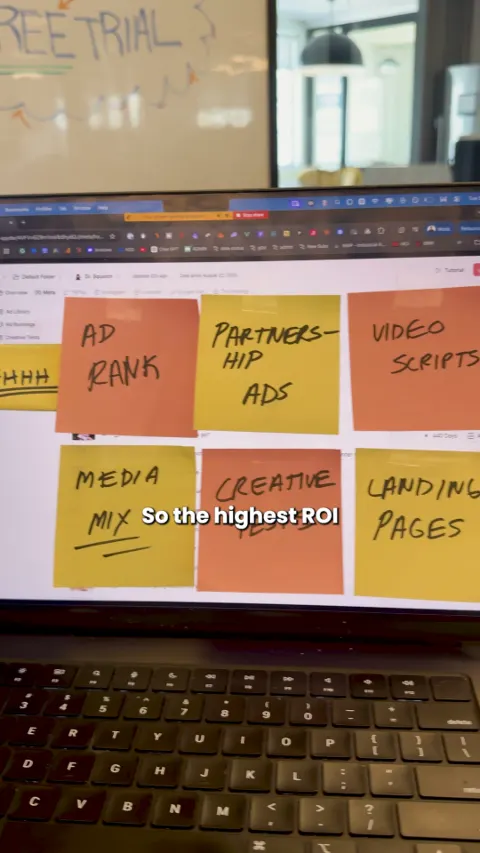 VideoMake ads that actually convert51 days
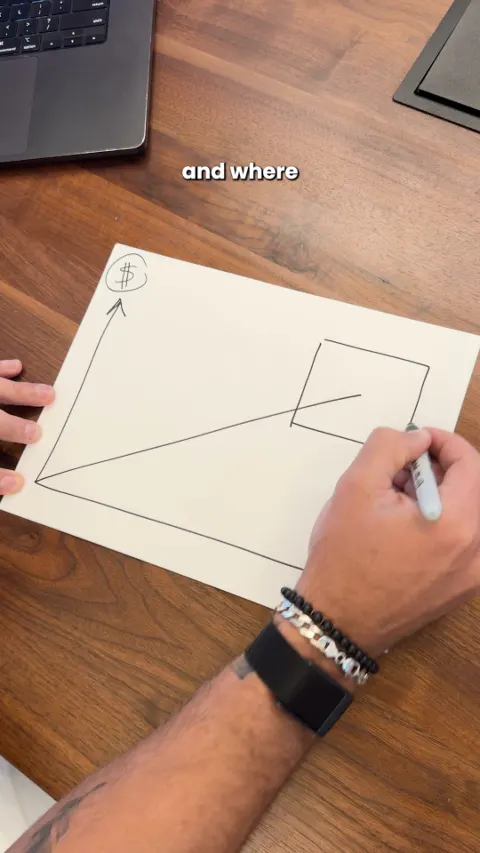 VideoMake ads that actually convert51 days
 VideoMake ads that actually convert51 days
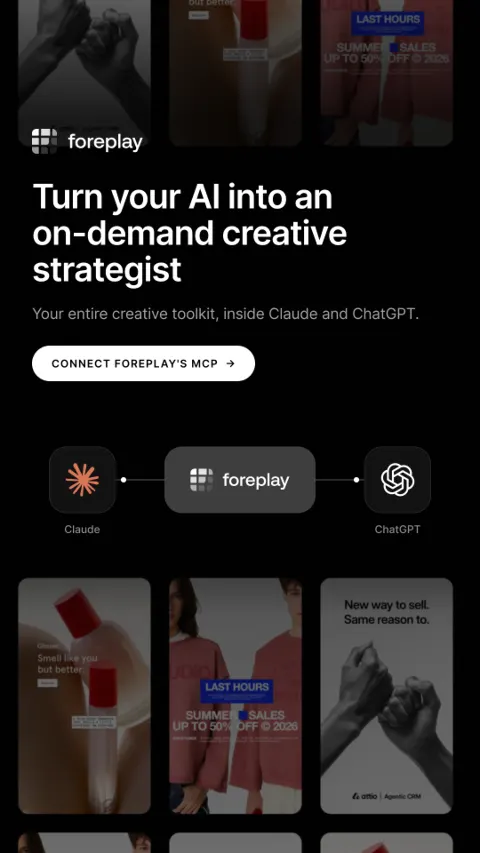 Make ads that actually convert52 days
What it runs
- Formats running now
- Videos 23 · Images 15 · Carousels 2
- Styles
- Offer, UGC, Carousel, Demo, Founder, Testimonial
- Where its ads ran
- Facebook and Instagram
How its best ads open
- “The creative tool behind your favorite brands.”
- “So four years ago, I was running a Shopify store.”
- “"Foreplay allowed us to find better ads, make them and learn from them really really fast"”
- “Scaling through Q4 comes down to one number, and it's how many ads you test and are ready to scale by Black Friday of this year.”
- “Foreplay is like Pinterest, but for ad creatives only.”
Why its best ads work
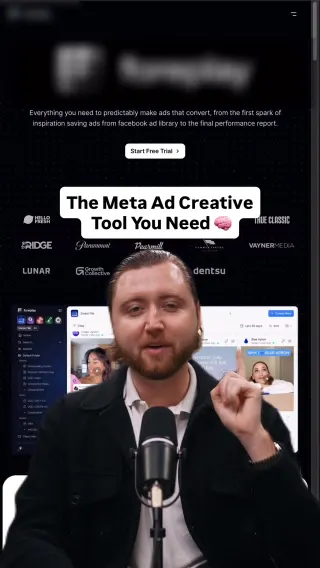
It positions the tool as the shortcut top media buyers use to find proven ad patterns, so you stop guessing and test faster.
It names a pain every media buyer recognises, then gives a simple, believable reason (longest-running ads are converting) for why the product helps. The comment-to-get-it CTA is low friction and boosts engagement. The data also shows it has run 237 days and is still active across 11 ads, which suggests the message keeps paying off for the advertiser.
- Open with a claim that borrows credibility and speaks directly to your audience's current situation.
- Frame the problem as a shift in the platform or market, so the product feels like a necessary response.
- Give one clear piece of logic that makes the product's value feel obvious, like 'ads that run long are converting'.
- Use a comment-to-receive CTA to lower the commitment and drive engagement signals.

The founder tells how he went from hating his Shopify store to building the tool he wished existed, which turns the product into the solution to a problem he lived through.
The founder's first-person story builds trust and feels more like a confession than a pitch, and the problem is one the audience knows well. The 'Pinterest for ads' line makes the product clear in a few words, and the named brands add authority. The data shows it has run 417 days and is still active across 9 ads, which suggests it has held up well over time.
- Open with an honest, unexpected admission that breaks the expected ad tone and earns the next few seconds.
- Explain your product with one familiar comparison instead of a feature list.
- Make the stakes personal and concrete so the viewer feels why the problem matters.
- Stack authority proof near the end, then pair it with a low-risk offer like a free trial to make the CTA easy.
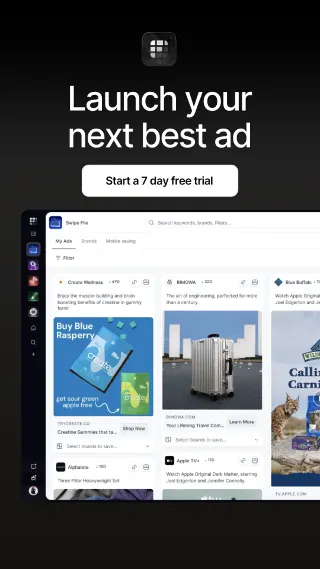
A named growth lead says the tool helps her find, make and learn from ads quickly, so a peer's words carry the claim instead of the brand's.
A peer in the buyer's own role vouches for the product, and the quote covers the whole workflow (find, make, learn) in one line. The data shows it has run for 351 days, is still active and scores 89 out of 100, which suggests the format holds up over time. The low-friction CTA matches the free trial on the page.
- Open with a real customer quote in natural spoken language, including the casual phrasing, so it doesn't sound like marketing copy.
- Attach name, role and company to the quote so the proof is specific and believable to people in the same job.
- Pick a quote that covers your core promise in one sentence, then let the headline turn it into an outcome the viewer wants.
- Keep the CTA simple and match it to a low-risk offer such as a free trial.

Ties the product to a seasonal deadline, saying that testing speed before Q4 and Black Friday decides who wins, so waiting a week costs you.
It pairs a clear, time-boxed business stake (Q4) with a simple promise of faster workflow, so the product feels like a necessity rather than a nice-to-have. The post text spells out three concrete things the AI gains, which makes an abstract integration easy to picture. The data also shows it has run 64 days and is still active across 6 ads and many placements, which suggests the message holds up with repeated spend.
- Open with a bold claim that reframes what really drives results, then knock down the common assumptions.
- Anchor urgency to a real calendar event your buyer already plans around instead of a generic 'act now'.
- Break a complex product into a short list of concrete things the user gets, as the post text does with three.
- Compare the old way (a day of research) with the new way (one conversation) to make the benefit tangible.
More software brands


Make ads like these for your brand
Paste your website. Adwright studies the ads winning in your niche, then makes ads in your brand, ready to post.