
Tech ads
ŌURA’s Facebook and Instagram ads
- Running now
- 60
- Winners
- 43
- New in 30 days
- 0
- Average run
- 50 days
- Longest run
- 230 days
Ads running now
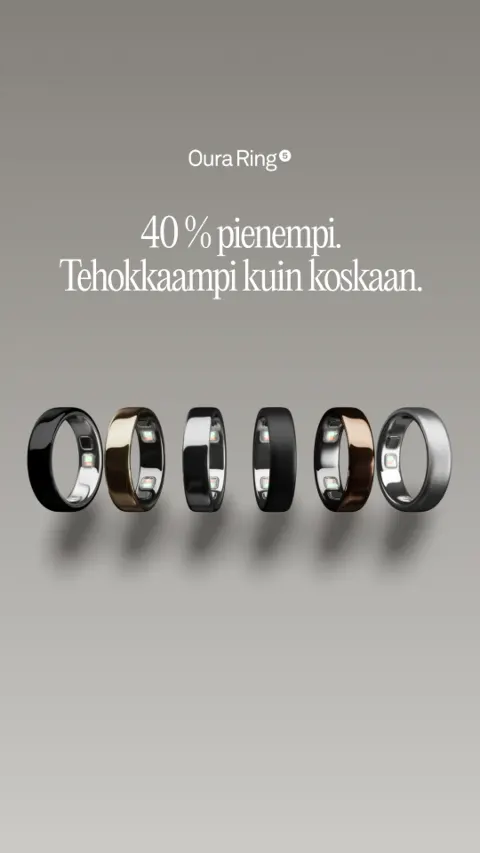 Oura Ring 596 days
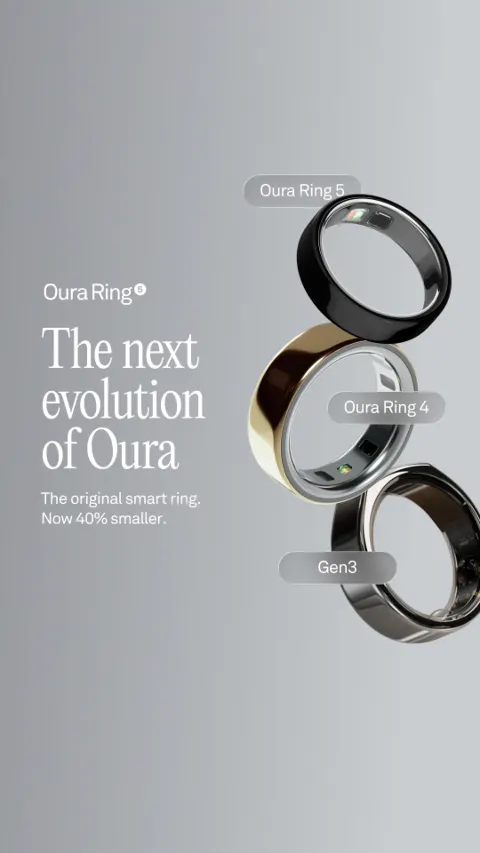 Meet Oura Ring 5130 days
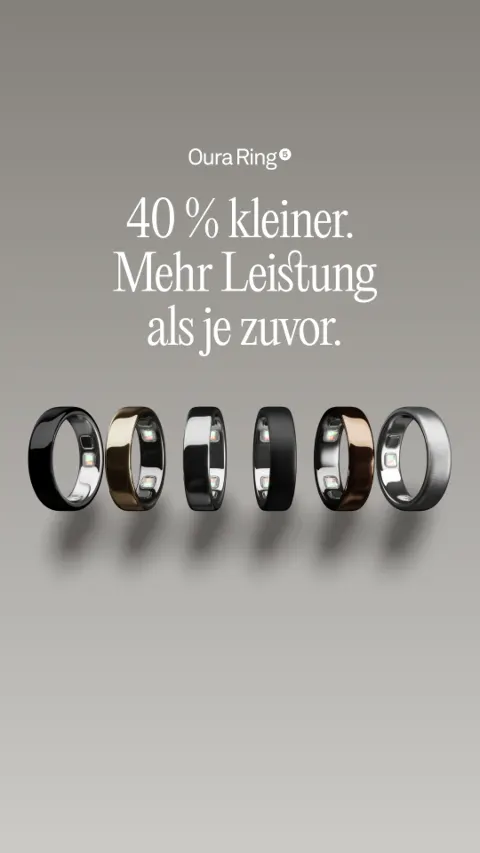 Oura Ring 599 days
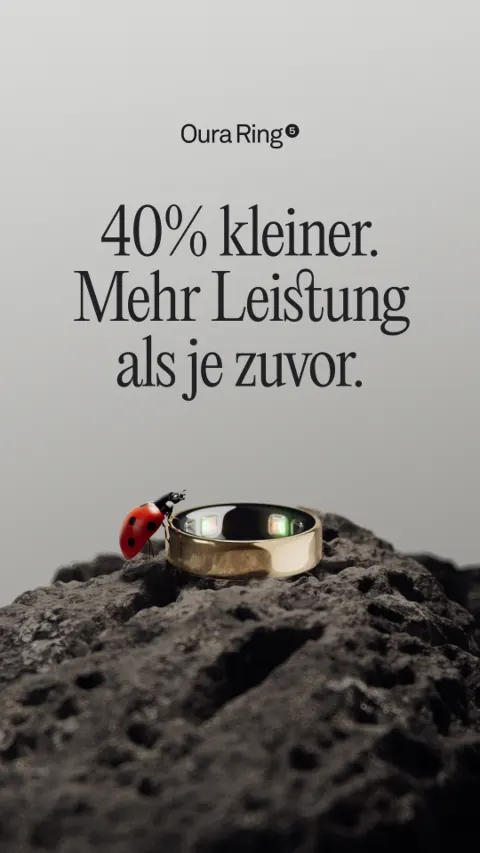 Subtle. Power.131 days
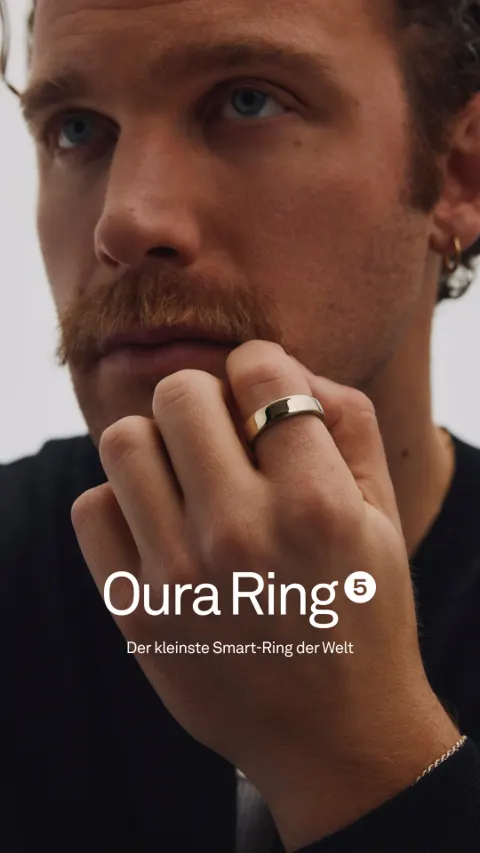 Der neue Oura Ring 5131 days
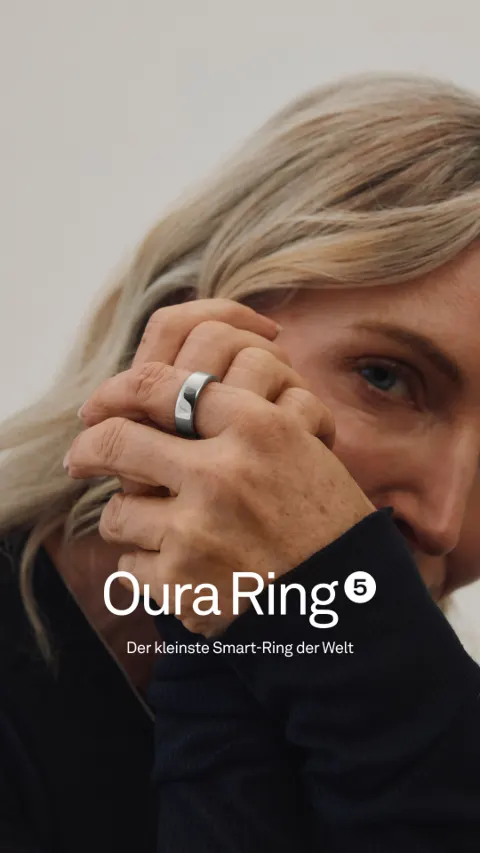 Der neue Oura Ring 561 days
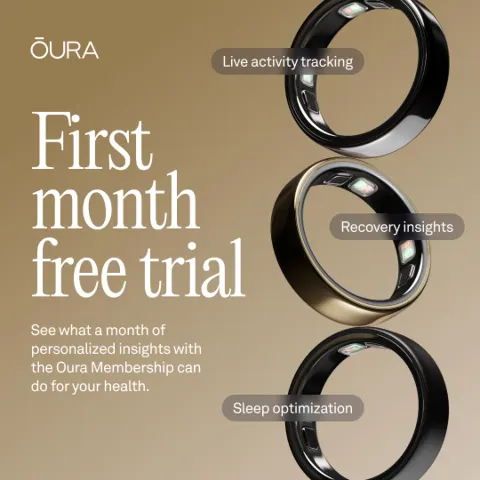 Oura Ring 572 days
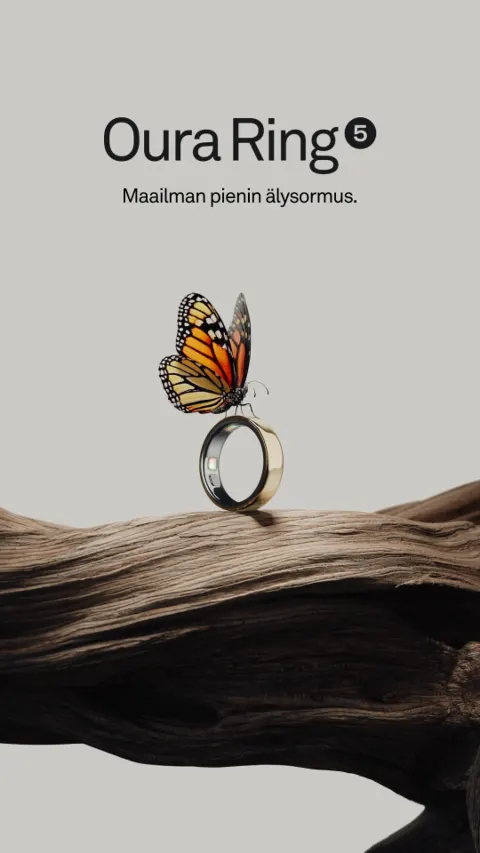 Saammeko esitellä: Oura Ring 571 days
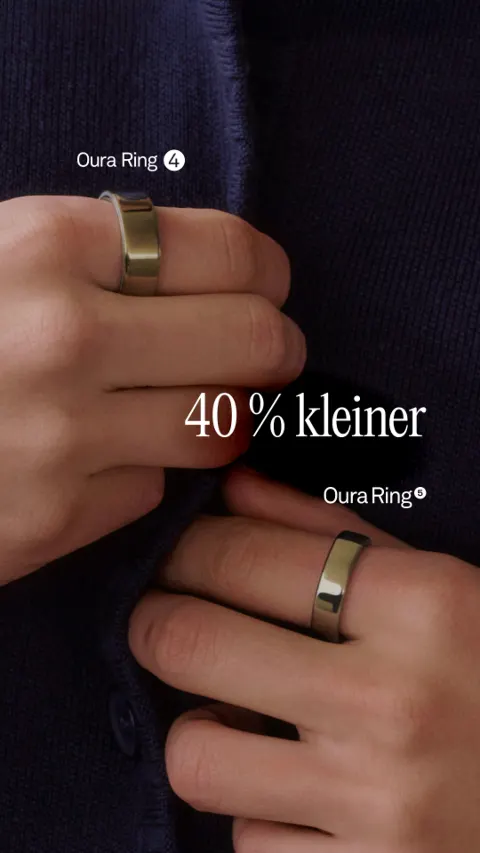 Der neue Oura Ring 561 days
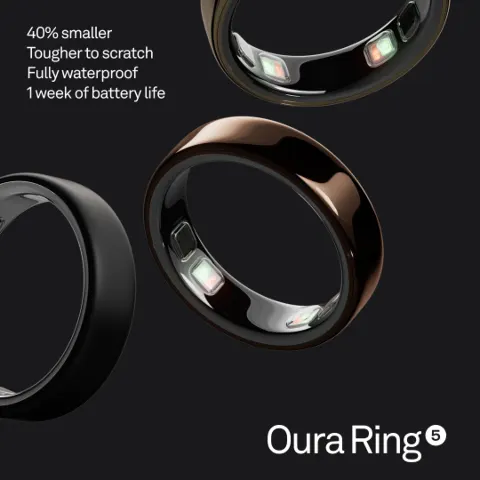 Oura Ring 5103 days
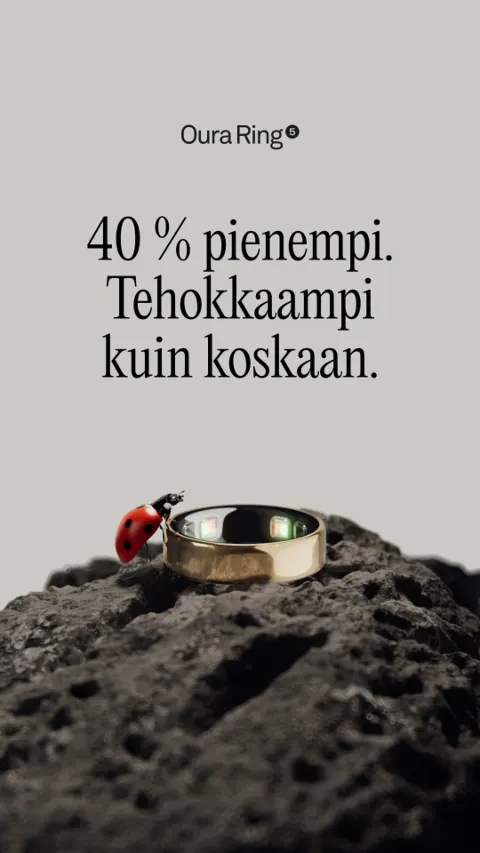 Saammeko esitellä: Oura Ring 596 days
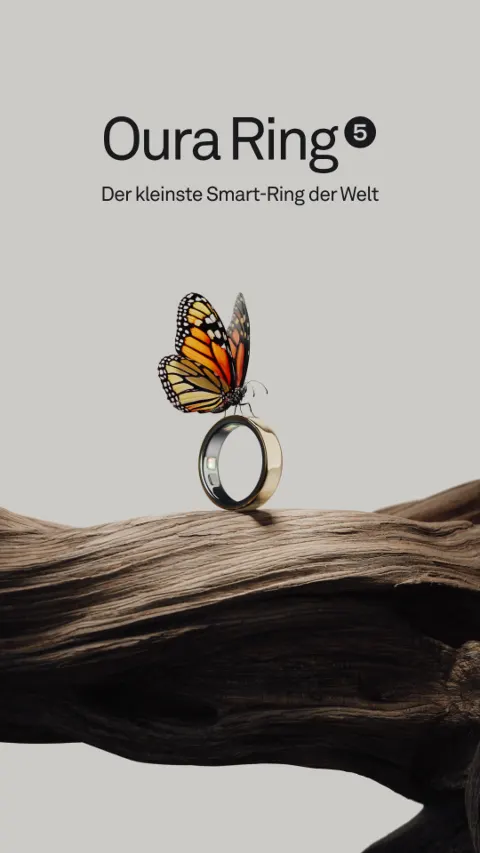 Der neue Oura Ring 5131 days
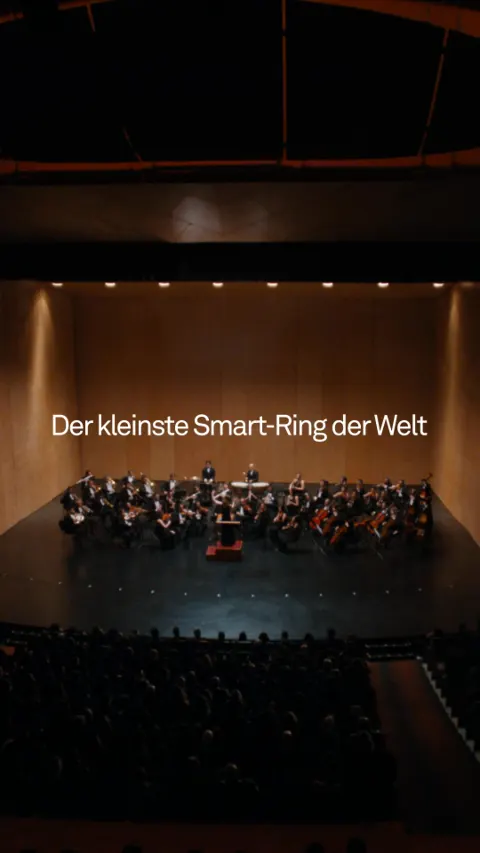 VideoDer neue Oura Ring 5129 days
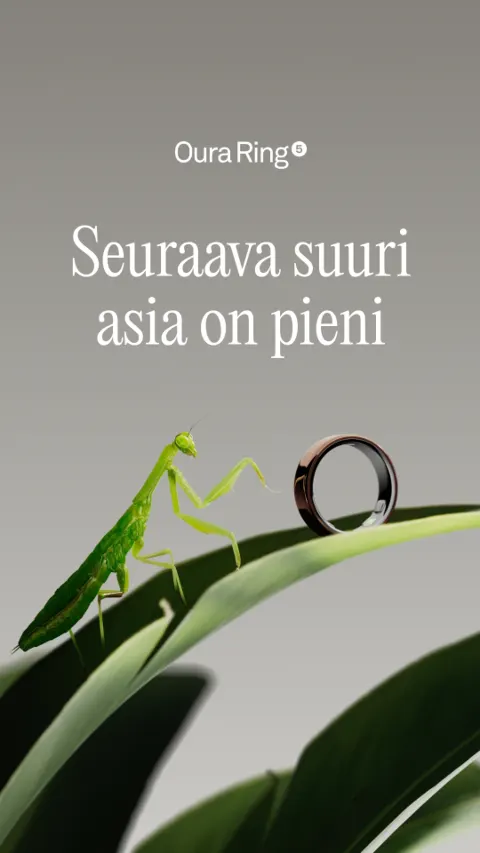 Saammeko esitellä: Oura Ring 571 days
 VideoOura Ring 556 days
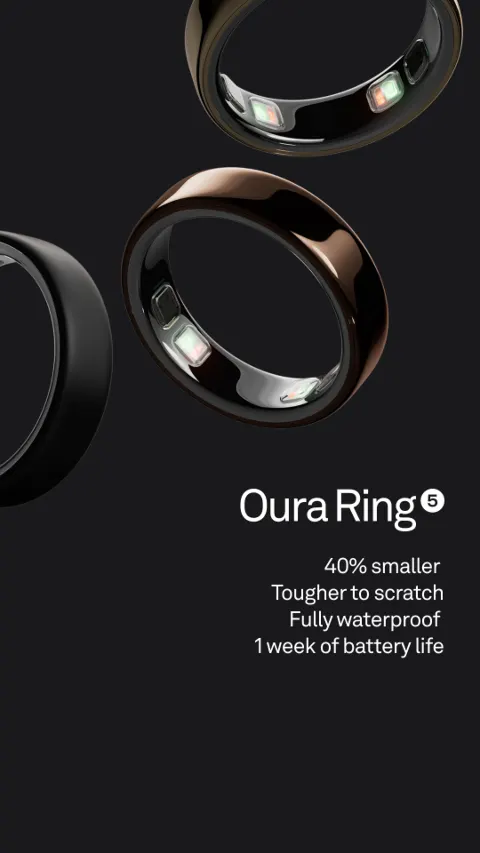 Oura Ring 530 days
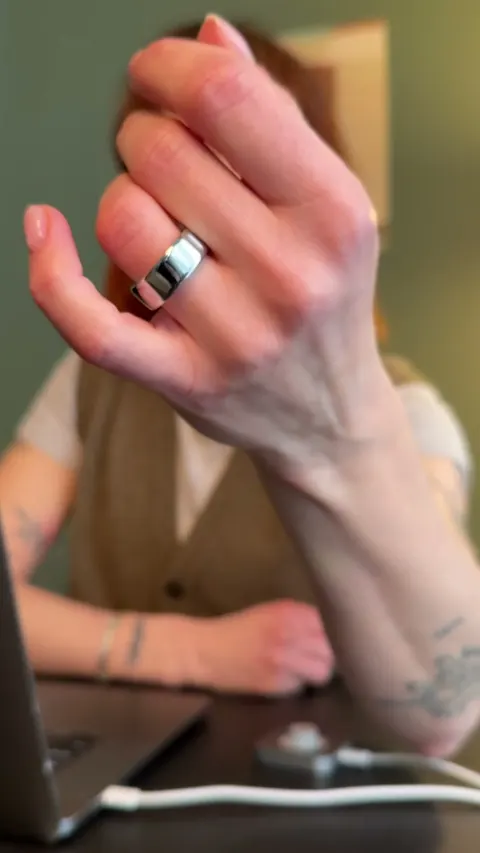 VideoOura Ring 478 days
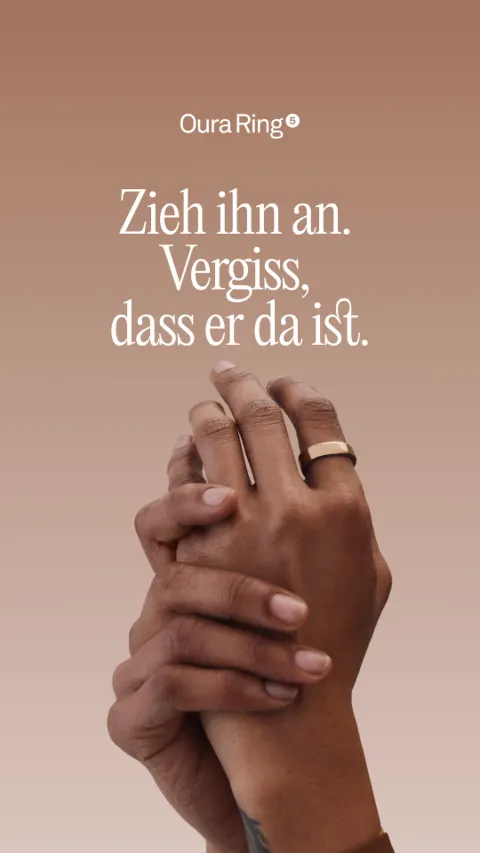 Der kleinste Smart-Ring der Welt43 days
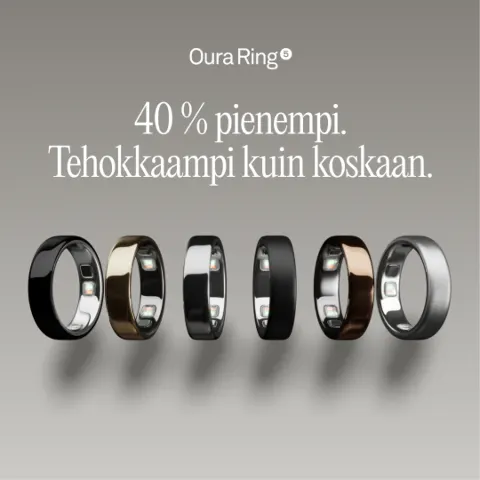 Oura Ring 570 days
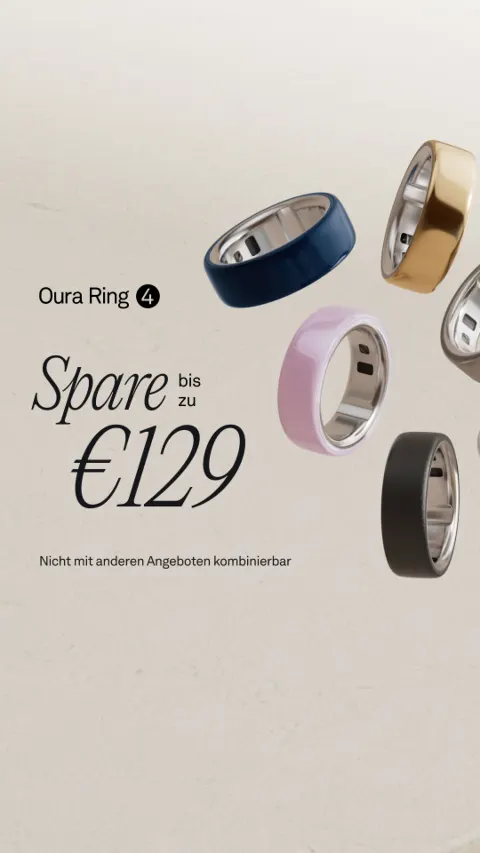 Bis zu 129 € sparen59 days
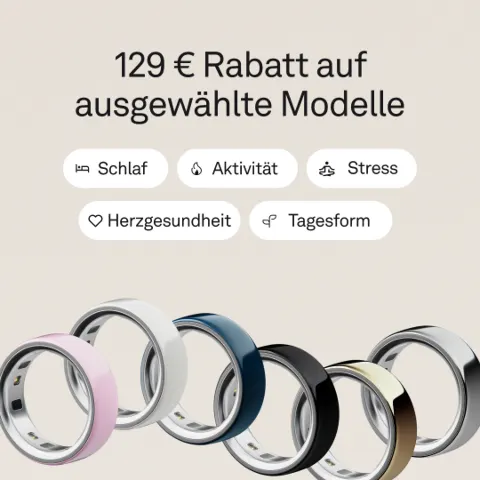 Verpass dieses Angebot nicht.59 days
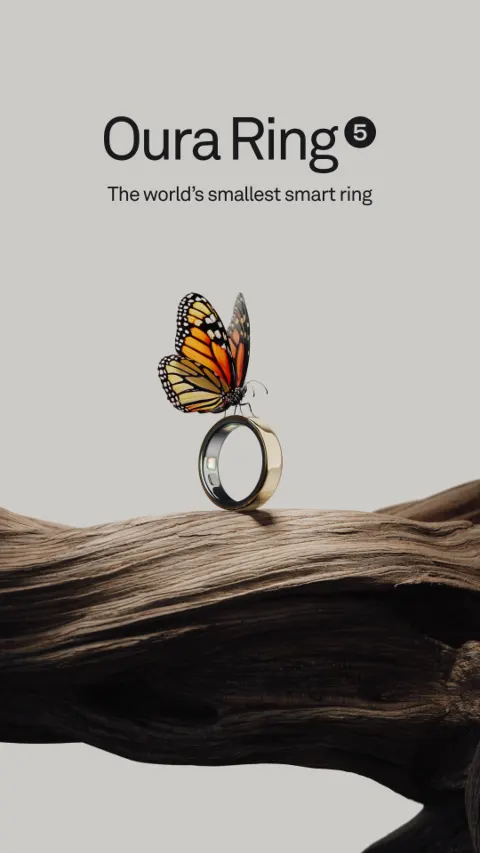 Meet Oura Ring 5131 days
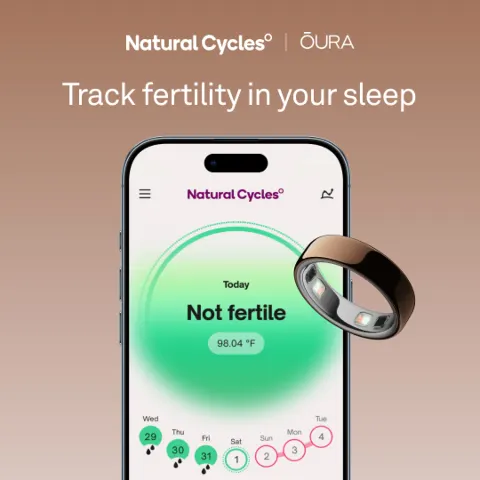 Natural Cycles, powered by Oura temperature trends45 days
 Oura Ring 523 days
What it runs
- Formats running now
- Carousels 34 · Images 15 · Videos 11
- Styles
- Carousel, Product shot, Offer, UGC, Lifestyle, Tutorial
- Where its ads ran
- Facebook and Instagram
How its best ads open
- “Oura Ring 5 on 40 % pienempi ja entistä miellyttävämpi käyttää.”
- “You asked. We listened. Oura Ring 5 is 40% smaller, and even more powerful.”
- “Der Oura Ring 5 ist 40 % kleiner und bietet so einen noch angenehmeren Tragekomfort.”
- “Oura Ring 5, unser bisher kleinster Smart-Ring: Er sieht wie Schmuck aus und verfolgt unauffällig Schlaf, Stress, Aktivität und mehr.”
- “Unlock a new perspective on your health with a free month of Oura Membership.”
Why its best ads work
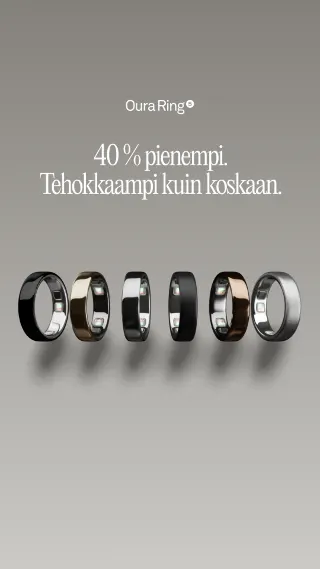
It leads with a clear product upgrade, a ring that is 40% smaller and more comfortable, while promising the same accurate sleep, stress and recovery data people already expect from Oura.
It pairs one specific, easy-to-grasp upgrade with a reminder that the core value is unchanged, so it removes the usual worry that smaller means less accurate. Writing it in Finnish speaks directly to the local market. The data also shows it has run for 96 days, is still active and sits across 10 active ads, which suggests the message holds up with repeated exposure, though the data does not say why.
- Lead a product update with one concrete, measurable change rather than a vague 'new and improved'.
- Pair the change with a line that protects the core benefit, so the upgrade doesn't raise doubts.
- Use customer feedback as the reason for the change, which adds trust without needing review quotes.
- End on a short, rhythmic tagline that reframes a small product as a big payoff, and keep the CTA soft for a considered purchase.
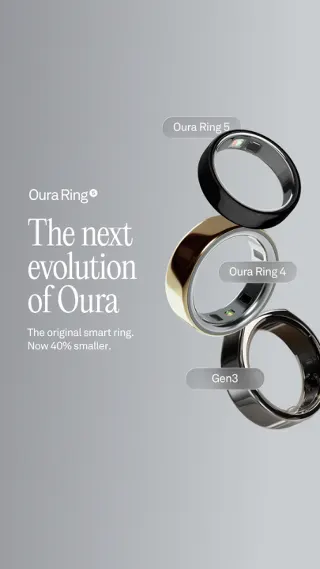
Announces a new, smaller and more powerful version of the ring, leading with the size reduction as the headline improvement.
It leads with a single, easy-to-picture improvement (smaller) and ties it to customer feedback, which builds goodwill and removes a common objection about bulk. The copy is short, so the carousel visuals can do the showing. The data shows it has run for 130 days, is still active, and is spread across 13 active ads and five placements, which suggests the brand keeps investing in this message and testing variations of it.
- Open a product update with a clear launch-style line, then give one specific improvement rather than a list of features.
- Frame changes as a response to customers ("You asked. We listened.") to turn a product update into a trust-building story.
- Pair a concrete number with a broader benefit so the claim feels both measurable and exciting.
- Repeat the main benefit in the headline, description and body in slightly different words so it sticks even when people skim.
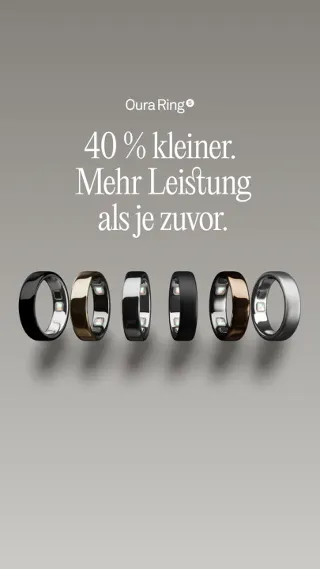
It leads with a concrete product upgrade, a ring that is 40 % smaller and more comfortable, and ties it to the health insights people already trust Oura for.
It pairs one clear, easy-to-picture product claim with a familiar promise, so the new version feels like a safe upgrade rather than a gamble. The member feedback line adds credibility without needing numbers or reviews. The data also shows it has run 99 days, is still active, and is spread across five placements and 10 active ads, which suggests the message holds up with sustained spend and broad delivery.
- Lead with one specific, measurable product improvement instead of a vague 'new and better' claim.
- Link the upgrade to the core benefit customers already value so the change feels like progress, not a reset.
- Use a light credibility cue, such as saying a change was shaped by customer feedback, when you have no hard numbers to share.
- Reinforce the headline with a short description line, so the key message shows up in several places on the ad.
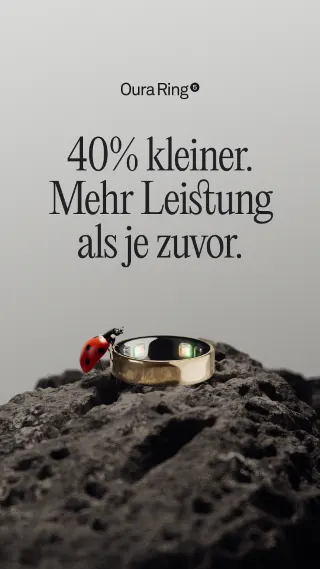
The new ring is 40 percent smaller, so it is more comfortable to wear while still giving the same sleep, stress and recovery insights.
It leads with one clear, concrete improvement (smaller and more comfortable) and reassures existing fans that the core value stays the same. The superlative description and the member-feedback line add credibility without needing price or discount. The data also shows it has run for 131 days, is still active across 16 ads and several placements, and has a win score of 94, which suggests the message holds up over time and at scale.
- Open with a short two-word contrast headline that captures the product's tension in a few syllables.
- Lead with one specific, measurable improvement and tie it straight to a wearer benefit, as the size claim does with comfort.
- Use 'based on real customer feedback' to show a product change responds to people, and only say it if you can back it up.
- Reassure loyal customers that the core value is unchanged when you launch a new version, then use a soft CTA for a considered purchase.
More tech brands



Make ads like these for your brand
Paste your website. Adwright studies the ads winning in your niche, then makes ads in your brand, ready to post.