
Software ads
TrackBee’s Facebook and Instagram ads
- Running now
- 19
- Winners
- 14
- New in 30 days
- 0
- Average run
- 39 days
- Longest run
- 182 days
Ads running now
 VideoScale Shopify Ads Smarter85 days
 VideoScale Shopify Ads Smarter83 days
 VideoScale Shopify Ads Smarter85 days
 VideoScale Shopify Ads Smarter80 days
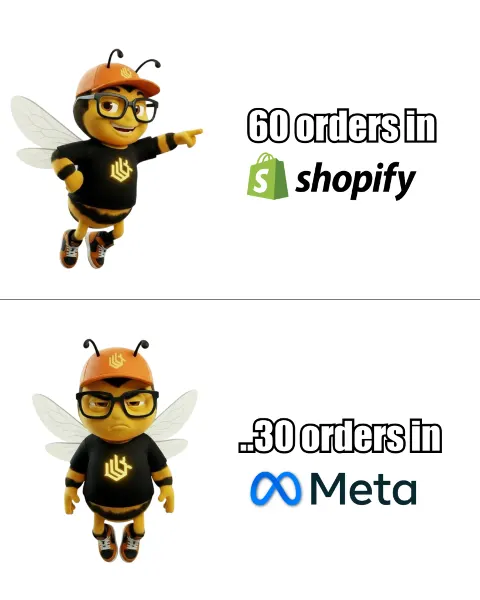 Try Free for 30 Days143 days
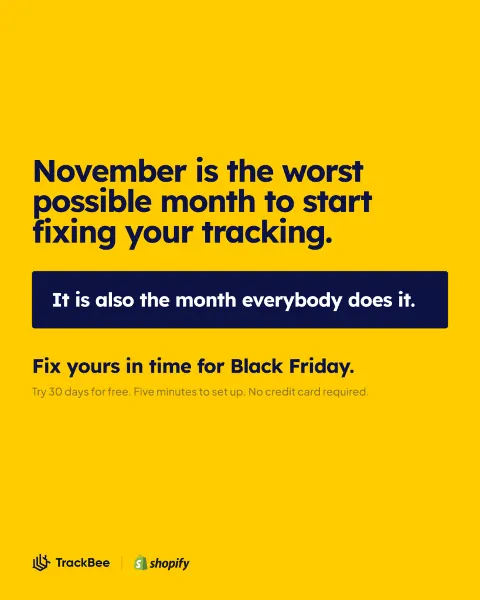 Scale Shopify Ads Smarter46 days
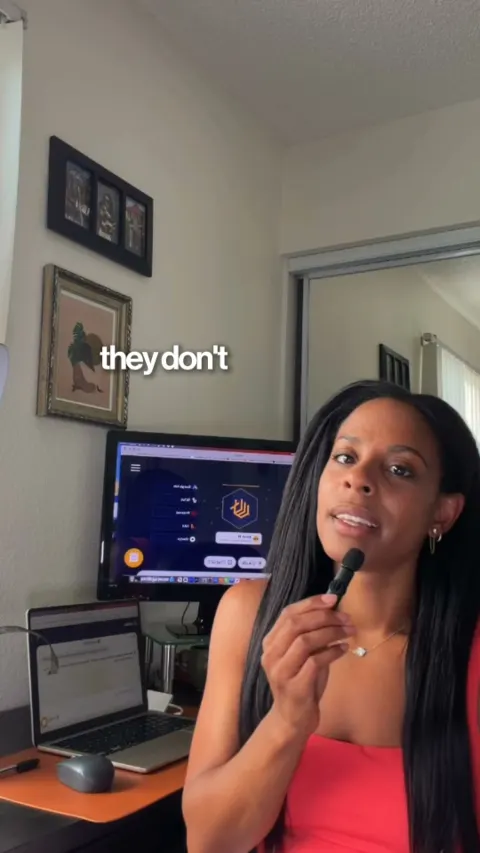 Video15% More Klaviyo Flow Rev. in 90 Days Guaranteed39 days
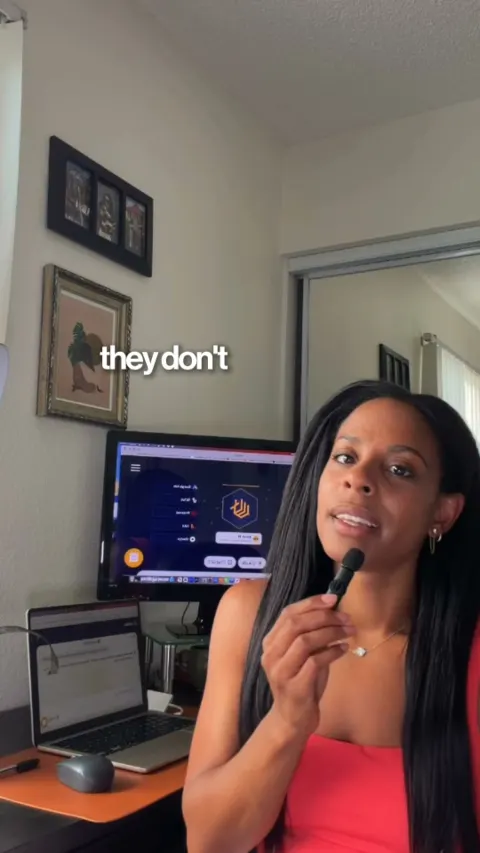 VideoGuaranteed 15% more Klaviyo flow revenue, or your money back40 days
 VideoScale Shopify Ads Smarter91 days
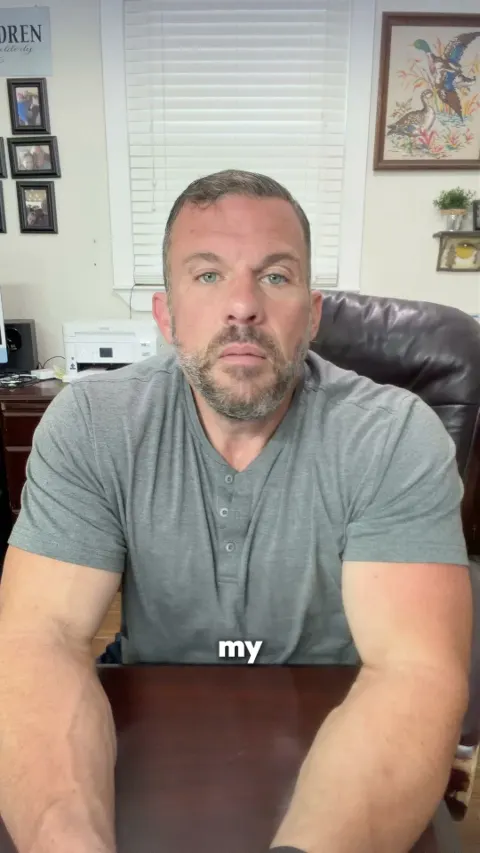 VideoScale Shopify Ads Smarter83 days
 VideoGuaranteed 15% more Klaviyo flow revenue, or your money back25 days
 VideoGuaranteed 15% more Klaviyo flow revenue, or your money back31 days
 VideoScale Shopify Ads Smarter87 days
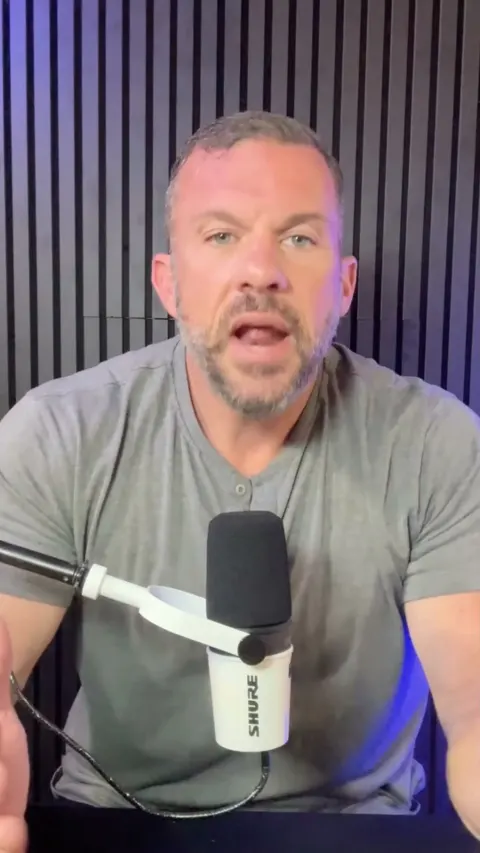 VideoScale Shopify Ads Smarter83 days
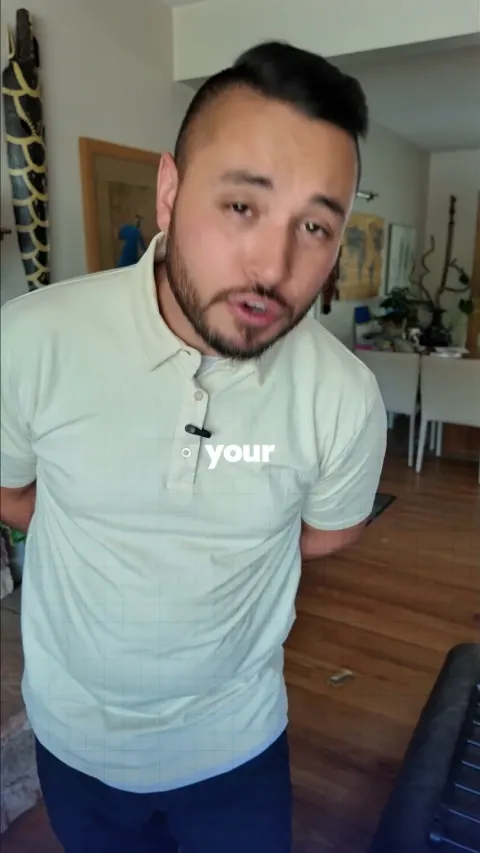 VideoScale Shopify Ads Smarter83 days
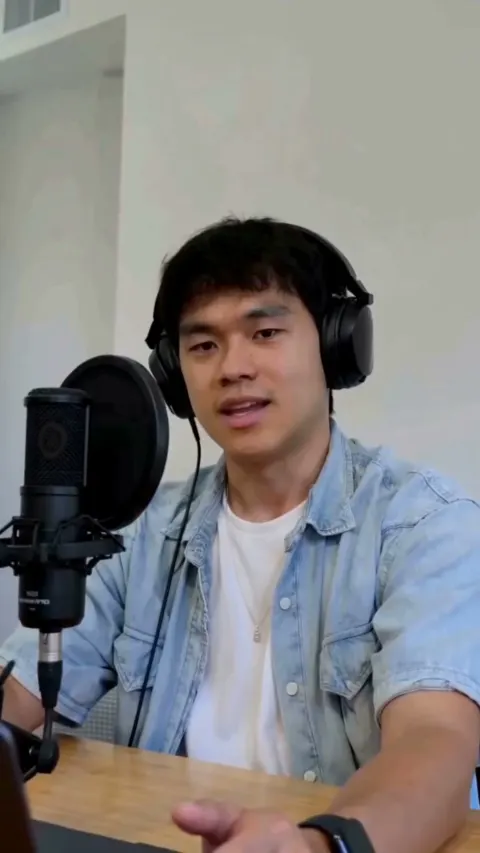 VideoGuaranteed 15% more Klaviyo flow revenue, or your money back23 days
 VideoScale Shopify Ads Smarter17 days
 VideoScale Shopify Ads Smarter17 days
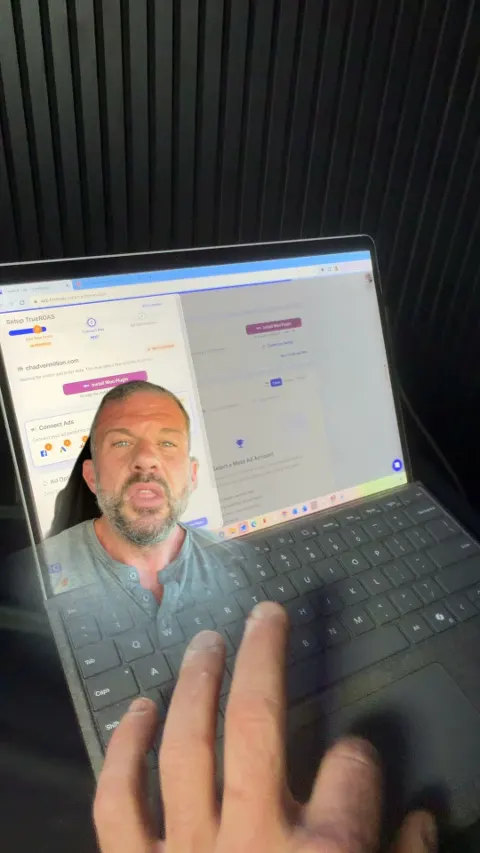 VideoScale Shopify Ads Smarter5 days
What it runs
- Formats running now
- Videos 17 · Images 2
- Styles
- Demo, Carousel, Product shot, Text only
- Where its ads ran
- Facebook and Instagram
How its best ads open
- “Stop guessing where ad spend goes.”
- “No more missing conversions in Meta! Try 30 days for Free. 5 minute setup. Built for Shopify.”
- “Same flows. Same emails. 2-3 times more flow revenue in a few weeks.”
- “Missing Klaviyo flows can cost you $10s of thousands every month in missed revenue.”
- “No more missing conversions in your advertising platforms!”
Why its best ads work
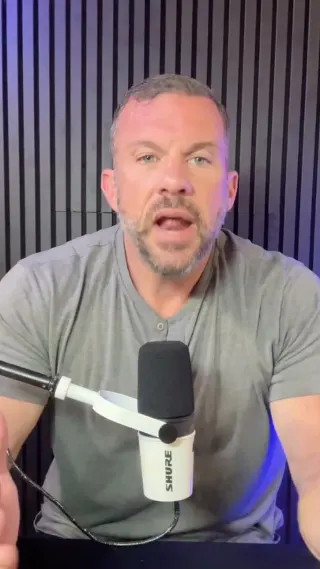
It calls out the frustration of not knowing where ad spend goes, then offers instant answers about a Shopify store as the fix.
It leads with a sharp, specific pain and follows with one clear promise, so the message is understood in a few seconds. The 'ask anything' idea makes the product feel simple and conversational rather than like another dashboard. The data also shows it has run 85 days, is still active and sits across 13 active ads on five placements, which suggests the brand keeps spending behind it and testing variations around it.
- Open with a blunt statement of the pain your buyer already feels, such as wasted spend, instead of starting with the product name.
- Pair the pain with one concrete promise, like speed, and repeat it across the headline, text and description.
- Name your platform or niche (here Shopify) in the headline so the right audience self-selects immediately.
- Use a soft CTA like 'Learn more' for a tool that needs explaining, and run several variations at once, as this advertiser does with 13 active ads.
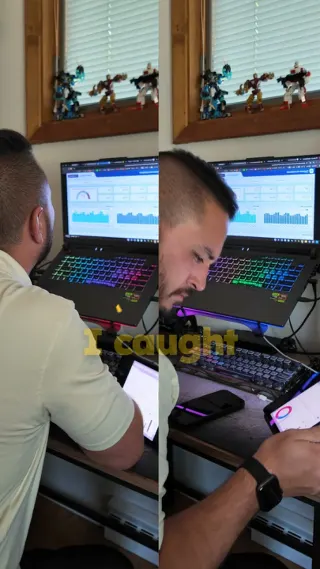
It names the pain of not knowing where ad spend goes, then offers instant answers about a Shopify store as the fix.
It leads with a specific pain and pairs it with one simple, concrete promise: ask a question, get an answer in seconds. The copy is short and names the platform (Shopify), so the right audience recognises itself right away. The data also shows it has run for 83 days, is still active, and sits across 10 active ads on five placements, which suggests the advertiser keeps investing in this message, though the data doesn't show actual results.
- Open with a command that names a specific, costly problem your buyer already feels.
- Name your platform or niche (like Shopify) in the headline so the right people self-select.
- Boil the product down to one easy-to-picture action and one time-based benefit, such as asking a question and getting an answer in seconds.
- Repeat the core promise across the headline, post text and description so it lands even if only one part is read.

It calls out the frustration of not knowing where ad spend is going and offers instant answers about a Shopify store as the fix.
It pairs a sharp pain point with a simple, concrete way to solve it, and it keeps the message to two short lines. The Shopify focus makes it feel built for one specific audience. The data shows it has run for 85 days, is still active, and sits in a set of 10 active ads on many placements, which suggests the advertiser keeps investing in this message, though the data doesn't show why it performs.
- Open with a command that names a specific, costly frustration so the right audience recognises themselves immediately.
- Name the platform or niche (here Shopify) in the headline to signal the product is made for the viewer.
- Pair the benefit with a clear time frame such as 'in seconds' so the promise feels concrete and easy.
- Use a soft call to action like 'Learn more' for a tool that needs a bit of explaining before people sign up.
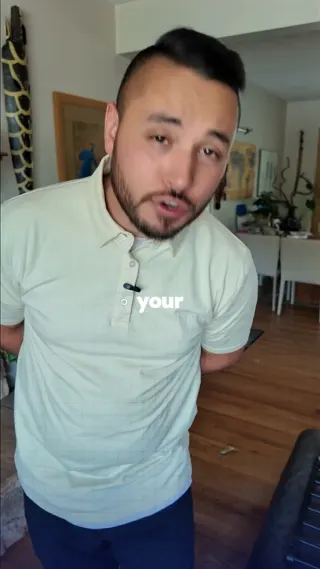
It names the frustration of not knowing where ad spend goes and offers instant answers about your Shopify store as the fix.
The copy is short and moves from a clear pain to a simple, specific solution in two lines. 'Ask anything' and 'answers in seconds' make a data tool feel as easy as a chat. The data also shows it has run for 80 days, is still active, and sits across 12 active ads on five placements, which suggests the advertiser keeps scaling it and it is likely performing for them. The format is video, but the words alone don't show what happens on screen.
- Open with a pain your buyer feels daily and put it in plain, direct words, like 'stop guessing'.
- Name the platform or niche (here Shopify) in the copy so the right audience knows it is for them.
- Pair one concrete benefit with a speed promise so a complex product feels easy to try.
- Keep the post text to two short lines and let the headline carry the outcome, then use a low-pressure CTA.
More software brands


Make ads like these for your brand
Paste your website. Adwright studies the ads winning in your niche, then makes ads in your brand, ready to post.