
Software ads
madgicx.com’s Facebook and Instagram ads
- Running now
- 37
- Winners
- 57
- New in 30 days
- 0
- Average run
- 88 days
- Longest run
- 701 days
Ads running now
 Legendary Advertisers Only326 days
 VideoARE YOUR PROFITABLE ADS SWITCHED OFF?96 days
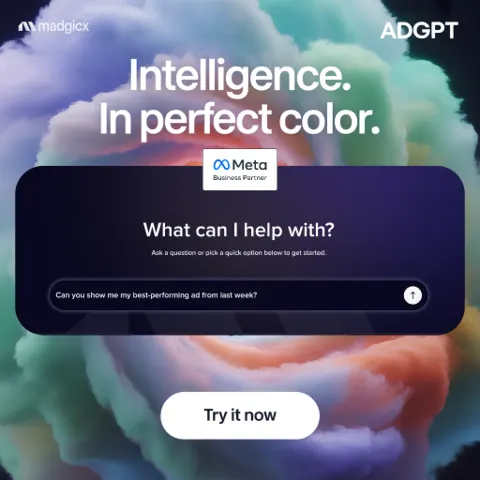 ⚡️THE AI THAT MAKES SENSE OF YOUR META ADS330 days
 YOU PANICKED, THE ACCOUNT PAID FOR IT107 days
 VideoYOUR BIG PLAN ISN'T A STRATEGY109 days
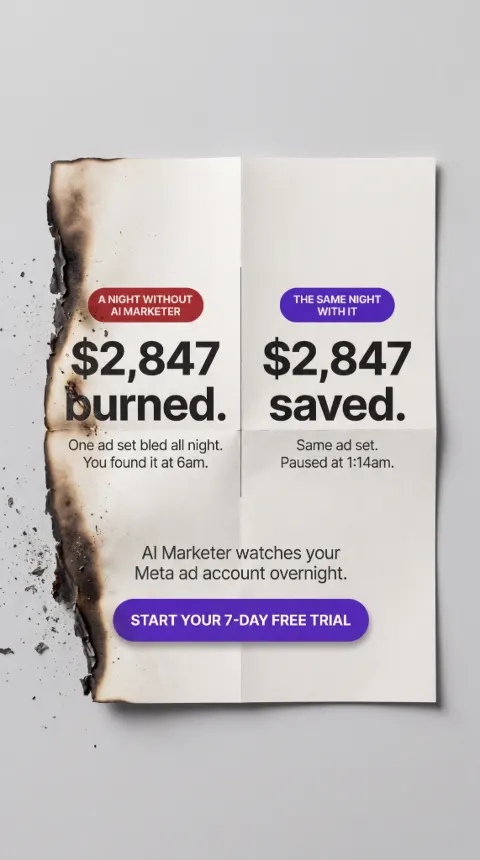 YOUR EXPENSIVE HABIT: SLEEPING96 days
 VideoYOUR NEXT AUDIENCE ISN'T A LOOKALIKE78 days
 VideoWHICH AD IS META STARVING?78 days
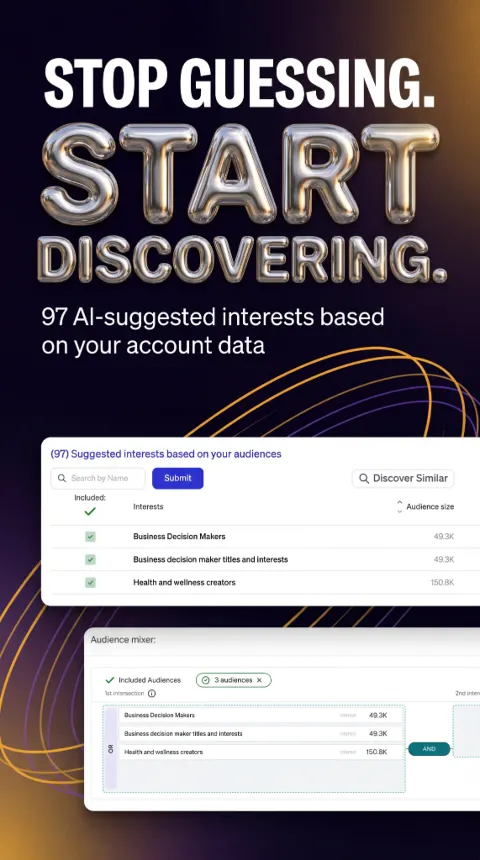 WE HAVE YOUR NEXT KILLER AUDIENCE96 days
 THIS IS YOUR BRAIN ON MANUAL ADS109 days
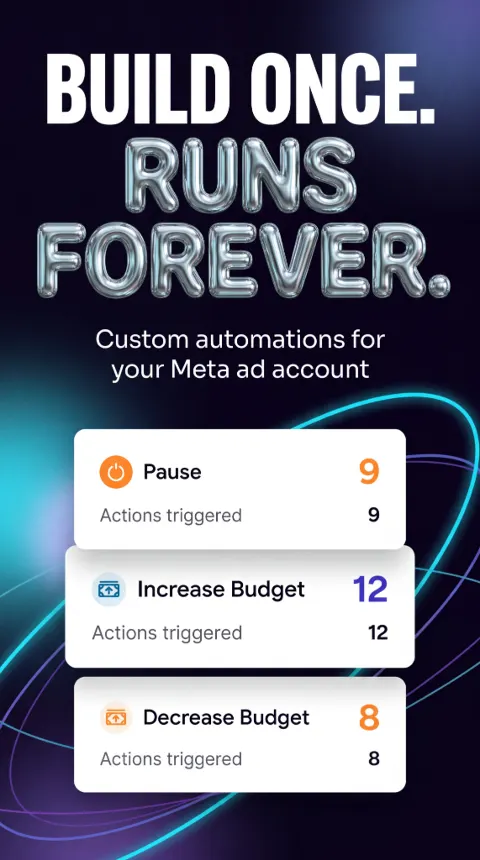 DELETE THE AD OPS JOB96 days
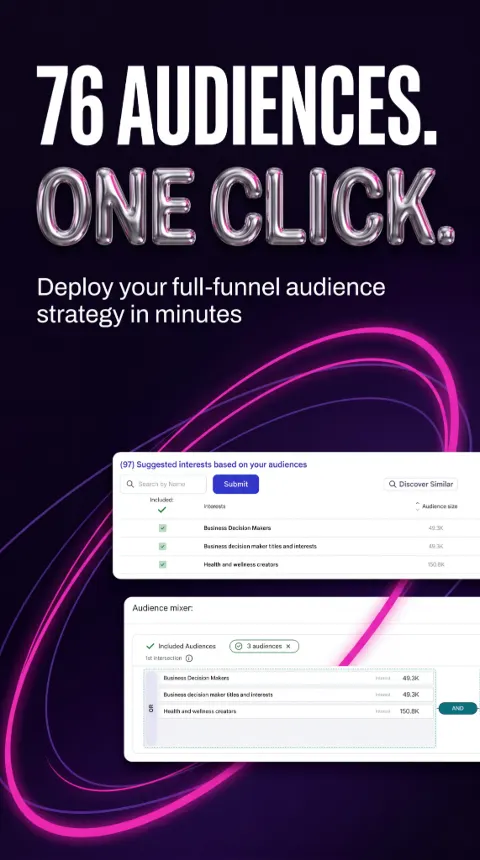 3 AUDIENCES ISN'T A STRATEGY96 days
 SELF-REMINDER341 days
 WHICH AD IS META STARVING?109 days
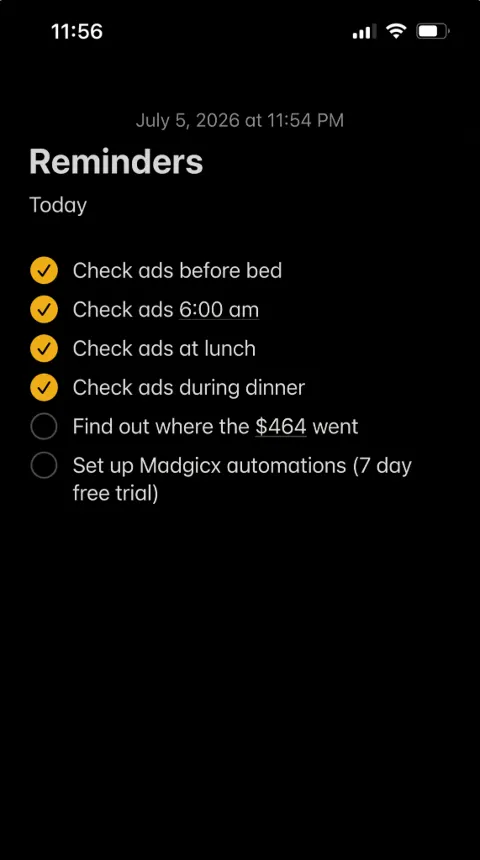 SETTING ALARMS IS NOT A STRATEGY96 days
 VideoMETA CAN'T HEAR YOU65 days
 VideoNO MORE DUPLICATE AND PRAY65 days
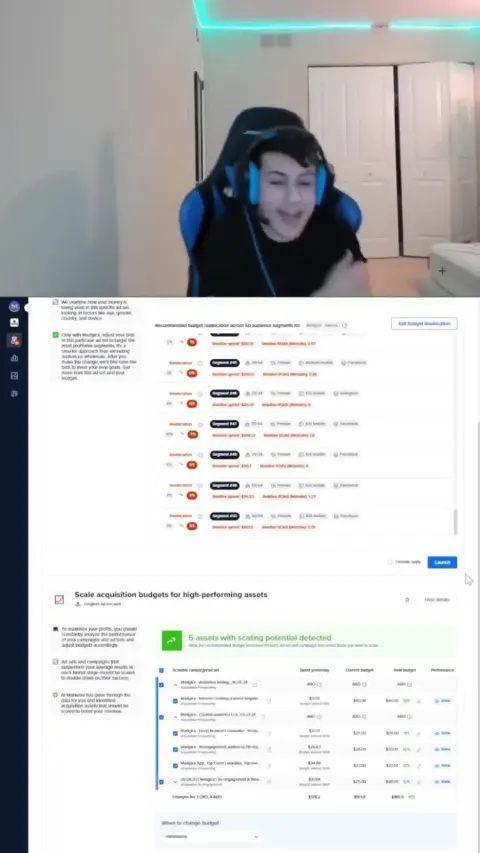 VideoRunning Ads without AI? 🙈471 days
 VideoYOUR BEST MONTH ISN'T A PLAN54 days
 VideoMeet the first MEDIA-BUYING AI 👋🤖558 days
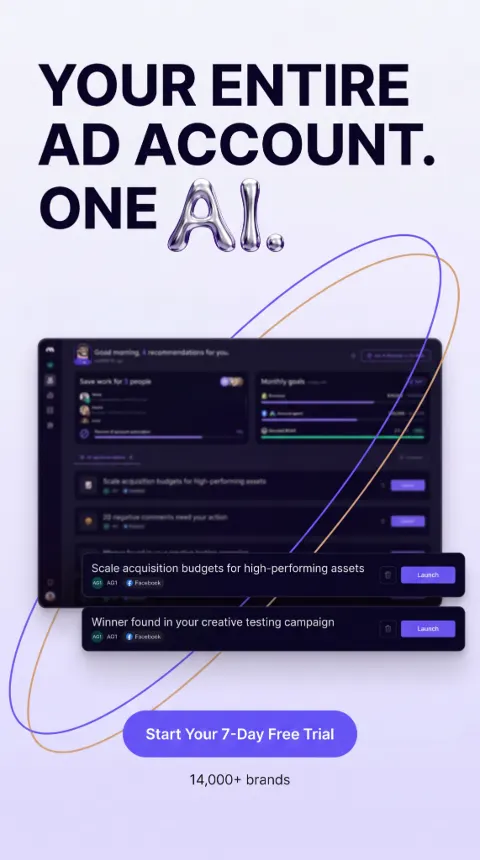 AI MARKETER REPLACES THE STACK109 days
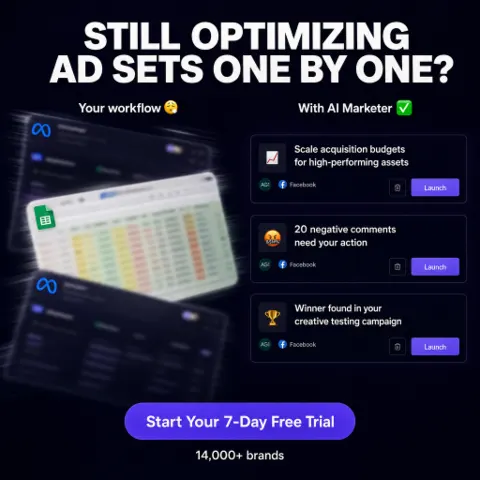 OPTIMIZE EVERY AD SET WITH AI MARKETER109 days
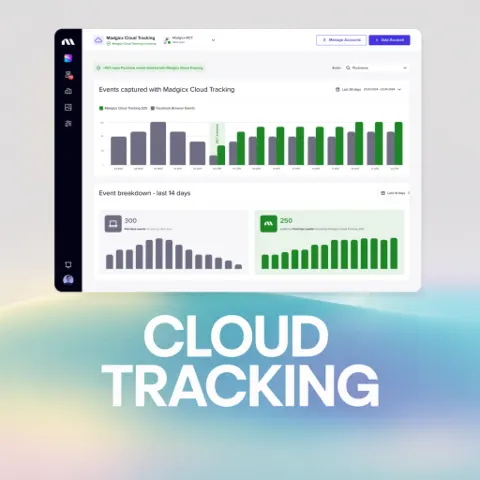 Catch the conversions your pixel misses.104 days
 AI that runs your ads while you sleep.83 days
What it runs
- Formats running now
- Carousels 21 · Videos 10 · Images 6
- Styles
- Offer, Carousel, Product shot, Testimonial, Text only, Comparison
- Where its ads ran
- Facebook and Instagram
How its best ads open
- “Legendary advertisers run Madgicx”
- “You killed it at 1.2 ROAS. Eventually Meta reported 2.8 after a week due to attribution lag.”
- “Your Meta Ads data is speaking to you, but right now, it sounds like gibberish.”
- “Your CPA spiked.”
- “Every media buyer loves a whiteboard moment.”
Why its best ads work

It frames the product as the choice of elite, top-performing advertisers, so buyers want to join that group.
The headline sells identity before features, so the reader asks whether they count as a legendary advertiser rather than whether they need a tool. The AI Ads Specialist comparison explains the product quickly, and the free trial makes the next step easy. The data also shows it has run 326 days, is still active, and spans 19 active ads across five placements, which suggests the message holds up when tested at scale.
- Lead with the identity your buyer wants ('people like you use this') instead of opening on features.
- Pair a bold, short headline with a plain description that explains what the product actually does.
- Use a clear category claim such as 'first-ever' to make the product feel new and worth a look.
- Close with a low-risk offer like a free trial and one matching button so the action is obvious.
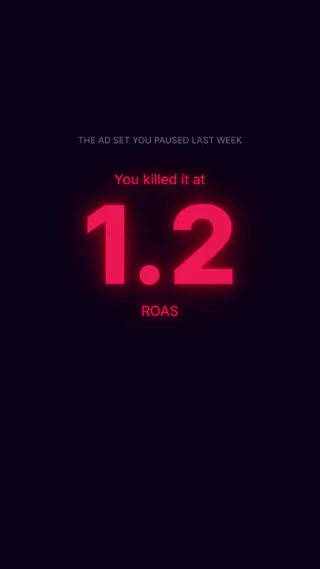
It points to the costly mistake of pausing an ad that later turns out to be profitable because of attribution lag, then offers an automatic fix.
It names a specific, relatable mistake and backs it with a clear example, so the reader recognises their own behaviour before the product appears. The product is then introduced as a narrow, concrete rule rather than a vague promise. The data shows it has run for 96 days, is still active, and sits across 10 active ads on several placements, which suggests the advertiser keeps finding it worth running.
- Open with a question that implies the viewer is losing money, so the problem feels personal and urgent.
- Use a small, specific scenario with real-feeling numbers and days of the week to make an abstract issue easy to picture, but only with figures you can stand behind.
- Introduce the product as the answer to one named problem, such as a single rule, instead of listing a broad feature set.
- Cut the barrier to action by stating how quick setup is and pairing it with a free trial in the CTA.

Meta Ads data feels like meaningless gibberish, and an AI assistant turns it into plain answers you can ask for in seconds.
It opens on a pain the audience knows well and then offers a simple, almost conversational fix. The example questions make the product tangible without needing a screenshot or demo. The data shows it has run for 330 days, is still active and is spread across 12 ads and five placements, which suggests the message holds up well over time, though the data alone can't tell us why.
- Open with a vivid, personified version of your audience's frustration so the problem feels instantly familiar.
- Show your product through the exact questions or tasks a customer would use it for, which makes an abstract feature concrete.
- Use short, parallel lines like 'No dashboards. No spreadsheets. No confusion.' to make the benefits quick to scan.
- Lower the barrier at the end with a free trial and a single clear action.

It names the panic reaction after a CPA spike as the real cause of account decline, then positions the AI agent as the calm alternative that doesn't overreact.
It opens on a moment every advertiser knows and turns it into a reframe, so the product arrives as the answer to a self-diagnosed problem rather than a pitch. The short, line-broken copy is easy to read in a carousel and builds tension before the solution lands. The data also shows it has run 107 days, is still active, and spans 14 active ads across five placements, which suggests the message holds up with repeated spend, though the data doesn't show results.
- Open with a specific, relatable moment (like a CPA spike) and name what the reader does next, so they recognize themselves in the first line.
- Reframe the cause of the problem so your product solves the real culprit, not just the symptom.
- Pair each product claim with the worry it removes, as the live dashboard is tied to checking in without breaking things.
- End on a short, punchy line that echoes the headline, then follow it with a low-risk CTA like a free trial.
More software brands


Make ads like these for your brand
Paste your website. Adwright studies the ads winning in your niche, then makes ads in your brand, ready to post.