[ For software companies and app makers ]
Ads for SaaS and apps that lead with the problem you solve
Problem first, features later
Nobody wakes up wanting "an AI-powered workflow platform". They want the report done, the inbox cleared, the meeting notes written. Name the job and the pain in the reader's words, then show the moment your product fixes it. One problem per ad: testing which one lands is the point.
Show the product
A real screen beats an illustration of one.
- The one screen that shows the result, not the settings page.
- A before and after: the messy way, then yours.
- A number that's true for your product: minutes saved, steps removed.
- For apps, the phone in a hand, in the place people use it.
Platforms by buyer
B2B software sells on LinkedIn, where the job titles are, and keeps reminding on Google Display. Consumer apps live on TikTok, Reels and Stories in 9:16, where an app on screen looks native. Meta's feeds sit in the middle for both. Each needs its own size and its own copy length, which is easy to get wrong by hand.
The ask and the proof
Ask for the smallest real step: start a free trial, see a two-minute demo, install the app. Back it with proof you really have: a customer's quote with their name and permission, a rating from an app store or review site, a well-known customer's logo you're allowed to use.
Example hooks for software companies and app makers
Problem
“Still writing meeting notes by hand? Let them write themselves.”
Before and after
“From a messy first draft to something you'd send, in [time].”
Time
“The weekly report that took an afternoon, done before your coffee.”
Switch
“Your spreadsheet was never meant to be a CRM.”
Proof
“[A real customer's result, in their words]. [Name], [company].”
Trial
“Try it free on your own data. No call needed.”
App
“Your budget, in your pocket. Two taps to see where it went.”
How Adwright makes your ads
- 1
Paste your homepage, pricing page or App Store or Google Play listing. Adwright reads what the product does, who it's for and the proof on the page, and builds your brand kit.
- 2
It researches the products you compete with: their sites, their positioning and, where it can, the ads they keep running in Meta's Ad Library, then picks the angles worth testing.
- 3
It makes image ads with your product on screen for LinkedIn, Google Display, X, Meta and TikTok, each at the platform's size with the post copy cut to its limits, and video ads in several styles for the social platforms.
You download your ads (pictures as PNG files) with their post copy and run them from your own ad account, such as Meta Ads Manager or TikTok Ads Manager. Your ad budget is between you and the platform: an Adwright plan pays for making the ads.
Example ads made by Adwright
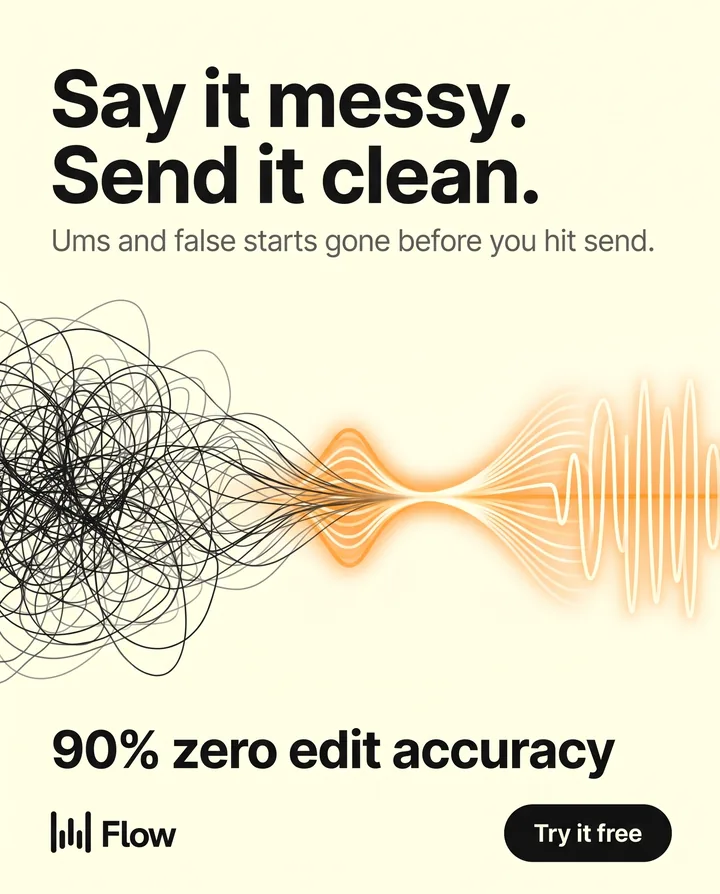
Real ads the product made, each from a brand’s own public website. They show what it makes, not anyone’s results.
FAQ
Questions, answered
It depends on the buyer. LinkedIn reaches people by job title for B2B, Google Display keeps reminding visitors, and Meta and TikTok suit products people choose for themselves, like consumer apps. Many software companies run two or three.
It makes image and video ads from your App Store or Google Play listing, with your app on screen, at the sizes for Stories, Reels, TikTok and the feeds. You set up the install campaign in your ad account and upload them there.
No. It's an ad Adwright made from that company's public website to show what it does. It isn't the company's own ad and says nothing about how it performed.
If your price is a strength, yes. Otherwise lead with the problem and a free trial or demo, and let your pricing page do its job. Either way, say what the first step costs, such as "free for [number] days" or "no card needed", when it's true.
Something else? Email support@adwright.co and we’ll get back to you.
More kinds of business
- Online storesProduct pages turned into ads worth testing.Read more
- Coaches and course creatorsA free first step, your face, a specific outcome.Read more
- PlumbersEmergencies on search, planned work and your name on social.Read more
- Every business typeAds for local trades, clinics, venues, property, online businesses and agencies.Read more
- Adwright comparedHow it stacks up against other AI ad tools, from their own pages.Read more
Paste a link. Get ads that sell it.
Adwright reads your website, studies your competitors and the ads winning in your niche, then makes ads in your brand for every platform you run.
3 days free on Pro. Plans from $49 a month.