[ For online stores ]
Ads for online stores that sell the product, not just show it
Angles worth testing
The product is the same in every ad. What changes is the reason to care. Test angles, not just colours.
- Problem and fix: the annoyance, then your product ending it.
- Us versus them: what people use now, and why yours is better.
- Reviews: a real customer's words, and the rating you really have.
- Risk reversal: your guarantee, returns or trial period, said plainly.
- The founder or the making: why it exists, how it's made.
- The number: the one spec that matters (grams of protein, days of battery).
Offers that lift the order
Bundles, a free shipping threshold, a gift with a bigger order and a clear guarantee all give someone a reason to buy now without training them to wait for a sale. Show the offer on the ad itself, not only in the post copy.
Learn from the ads that keep running
Meta's Ad Library shows every active ad a brand runs. Ads that keep running for months are usually the ones that work: brands rarely keep paying for an ad that doesn't. Look at your competitors' long-running ads before you make yours: the formats, the hooks, the offers.
Formats and seasons
Make each ad at the size each placement wants: 4:5 for the feeds, 9:16 for Stories, Reels and TikTok, so nothing is cropped. Plan for the moments that move your category: Black Friday and the holidays for most, Mother's and Father's Day for gifts, the new year for health and fitness.
Example hooks for online stores
Problem
“Your cable drawer, solved in one box.”
Us vs them
“Like [the usual option], without [the thing people hate about it].”
Reviews
“[rating] stars from [number] reviews. Here's what they keep saying.”
Risk reversal
“Use it for [number] days. If it's not right, the return is on us.”
Founder
“I made this because nothing on the market did the one thing I needed.”
Bundle
“Buy two, get the third free. Keep one, gift one.”
Question
“Remember the last time [the problem] happened? This is what it's for.”
Gift
“The gift they won't already have. Ships in [number] days.”
How Adwright makes your ads
- 1
Paste a product page. Adwright reads the price, the offer, the reviews and the photos, builds your brand kit from your store, and works out who the product is for and what they care about.
- 2
It finds the brands you compete with, reads their sites (offers, prices, claims) and, where it can, the ads they keep running in Meta's Ad Library, then picks the angles worth testing, including the ones nobody in your niche uses yet.
- 3
It makes image ads with your real product in real scenes, in the formats that win (customer photos, reviews, before and after, studio shots), for each platform's size with the post copy, and video ads in several styles. The library of winning ads lets you pick any ad and make one like it for your brand.
You download your ads (pictures as PNG files) with their post copy and run them from your own ad account, such as Meta Ads Manager or TikTok Ads Manager. Your ad budget is between you and the platform: an Adwright plan pays for making the ads.
Example ads made by Adwright
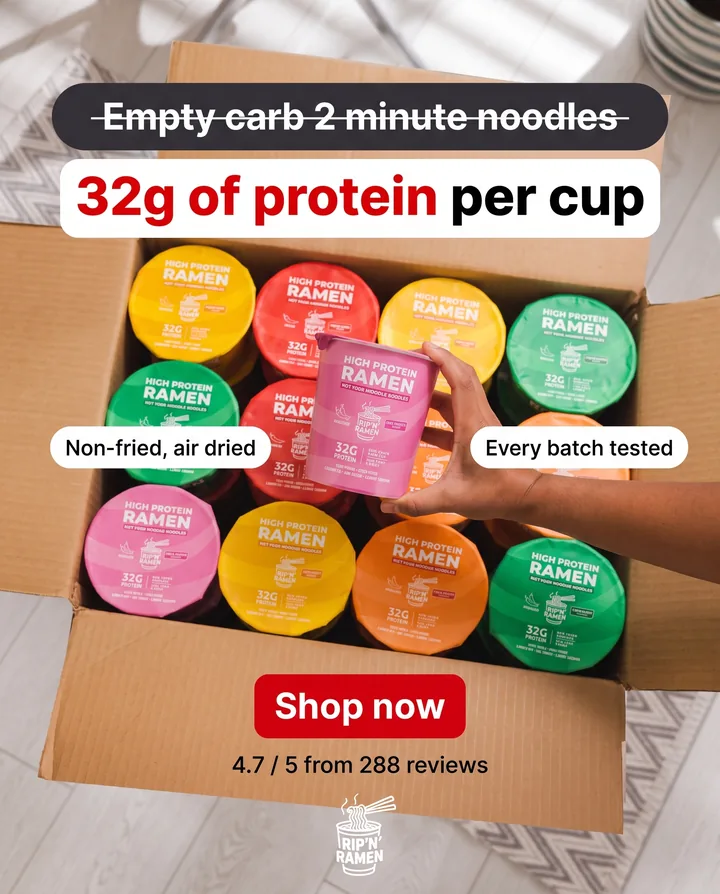
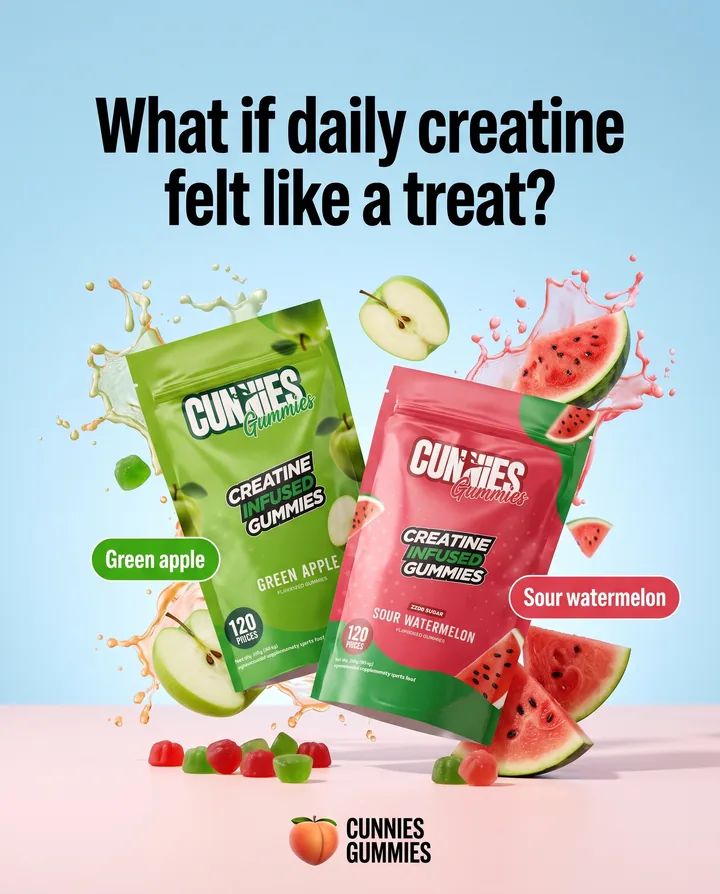
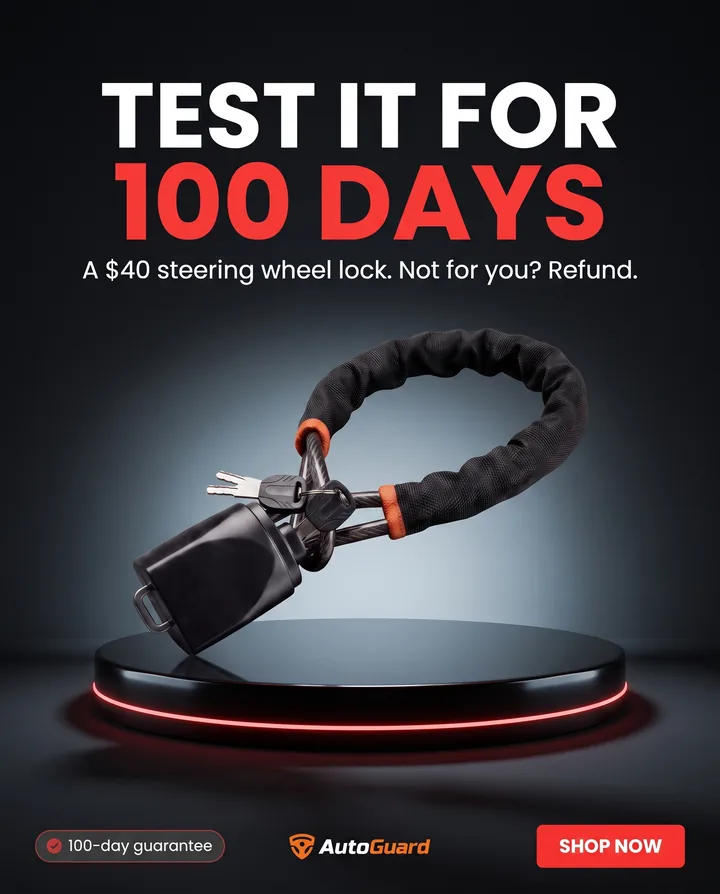
Real ads the product made, each from a brand’s own public website. They show what it makes, not anyone’s results.
FAQ
Questions, answered
Yes, through your store's link. Paste any public product page or your homepage, from Shopify or any other platform, and Adwright reads it. It doesn't need access to your store's admin or your ad accounts.
Enough to compare angles, not just colours: a few ads each for two or three different reasons to buy, then more of whatever wins. Adwright makes more ads for any angle or platform whenever you ask, from the same research.
No. They're ads Adwright made from each brand's own public website to show what it does. They aren't those brands' ads and say nothing about how they performed.
One reason to buy, shown on the ad itself: the problem it fixes, the offer or a real review. A clear picture of the product in use, the price or offer on the picture, and an obvious next step. Make a few for each reason and keep the winners.
Something else? Email support@adwright.co and we’ll get back to you.
More kinds of business
- SaaS and appsProblem first, product on screen.Read more
- Coaches and course creatorsA free first step, your face, a specific outcome.Read more
- PlumbersEmergencies on search, planned work and your name on social.Read more
- Every business typeAds for local trades, clinics, venues, property, online businesses and agencies.Read more
- Adwright comparedHow it stacks up against other AI ad tools, from their own pages.Read more
Paste a link. Get ads that sell it.
Adwright reads your website, studies your competitors and the ads winning in your niche, then makes ads in your brand for every platform you run.
3 days free on Pro. Plans from $49 a month.